
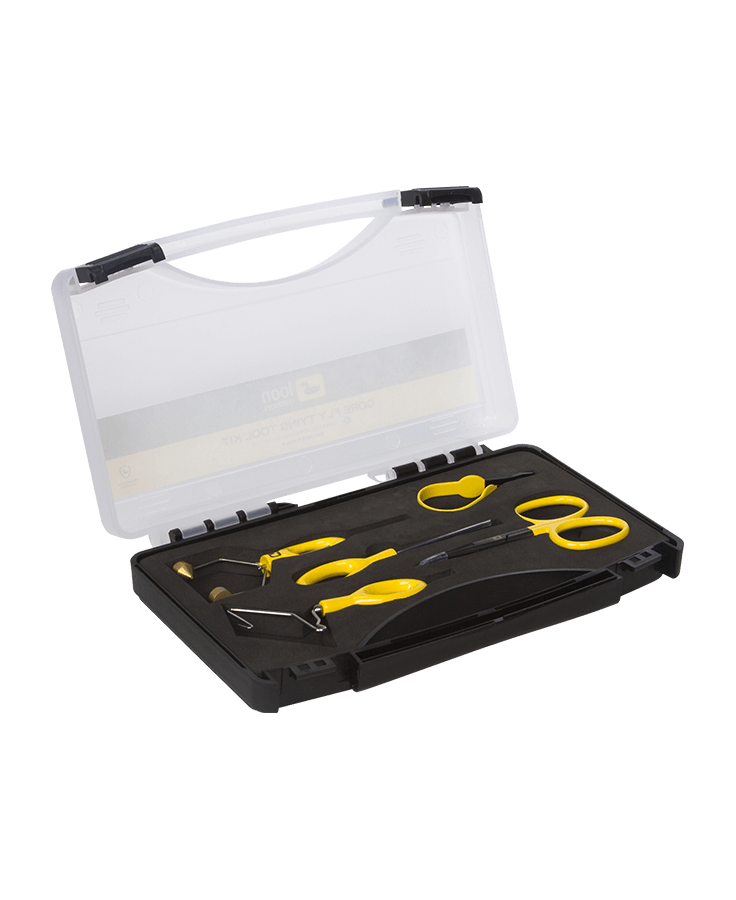
Loon Outdoors on the Tying Bench: The Tools Worth Buying
An honest look at Loon Outdoors tying gear: UV Clear Fly Finish, the UV Bench Light, the Ergo whip finisher, Swax, the Core kit. Not sponsored, no commission.
Tagged
21 posts tagged "fly tying".
An honest look at Loon Outdoors tying gear: UV Clear Fly Finish, the UV Bench Light, the Ergo whip finisher, Swax, the Core kit. Not sponsored, no commission.
Fleeger's Flies is Jesse Fleeger, a Butler County guide who ties commercially. Why guide-tied flies fish better — and which of his patterns cross over to Colorado tailwater.
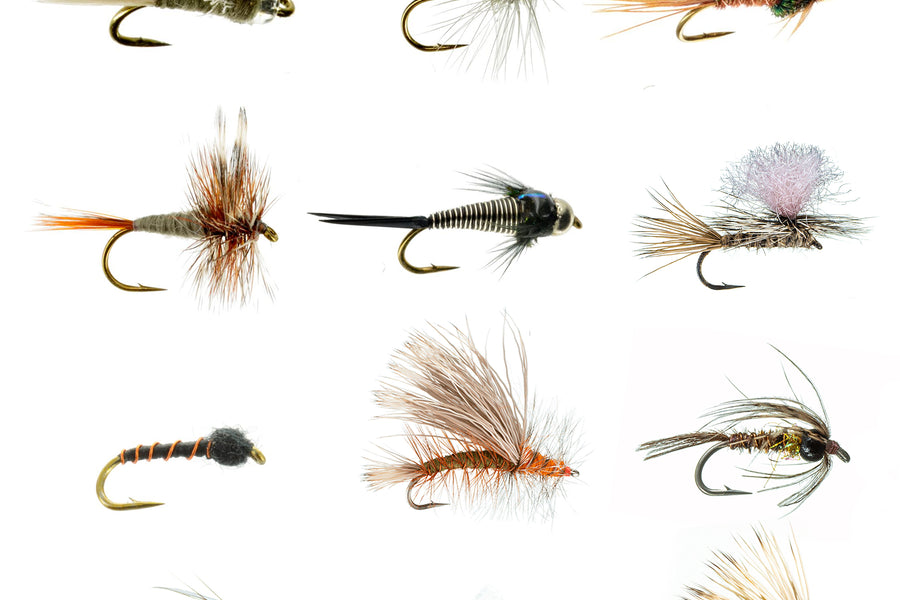
Trout flies held near $2 for twenty-five years. Now they are $3–$4.50 and climbing. The actual reason — tariffs on hand-tied imports — and what it changes.
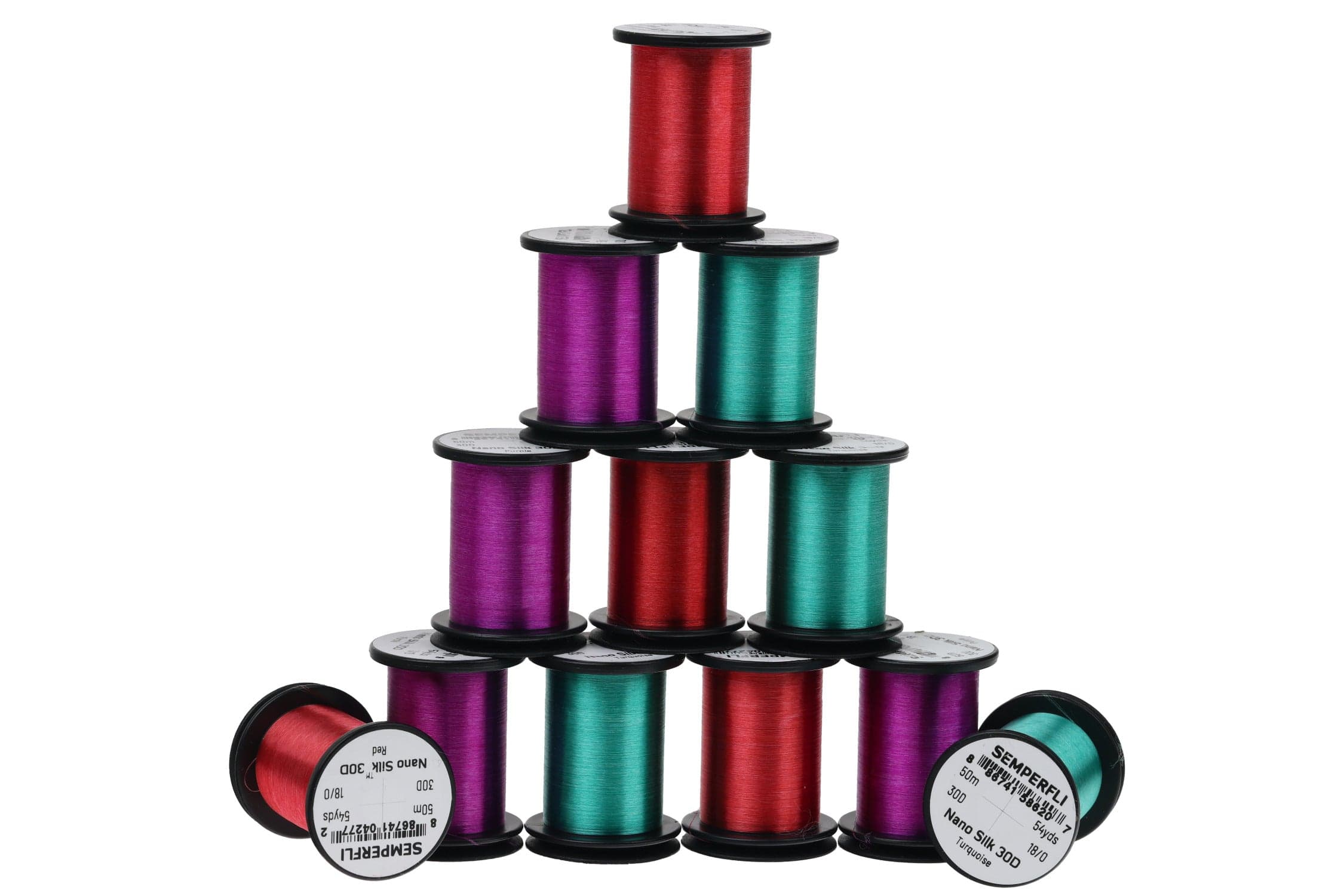
The materials I actually tie with — Semperfli thread, MFC beads, Hanak and Fulling Mill hooks, UTC wire, CDC. What earns bench space, and what gets cut.
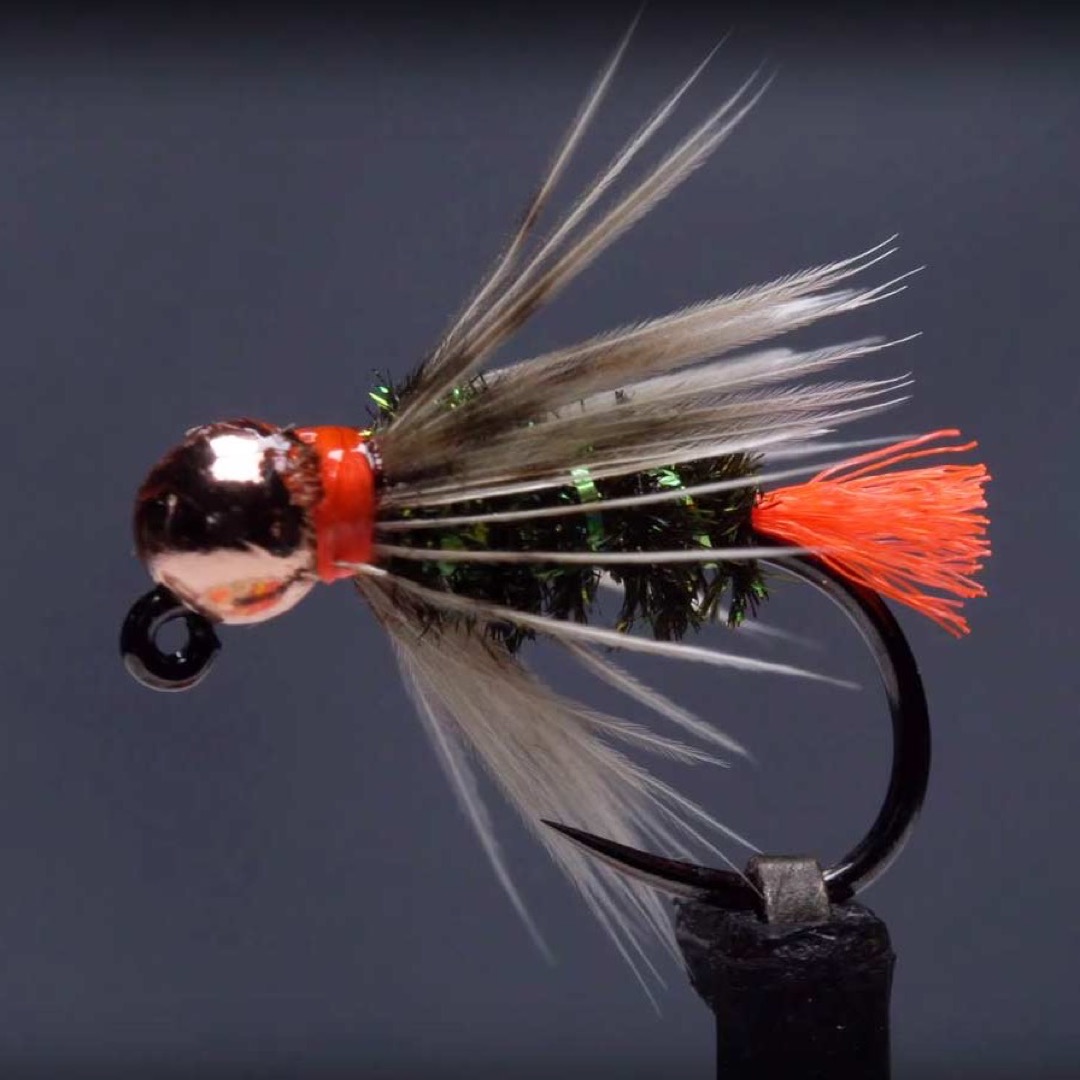
Why I tie my own Blowtorches instead of buying them. The economic case is backwards — the real reason is what it changed about how I fish.
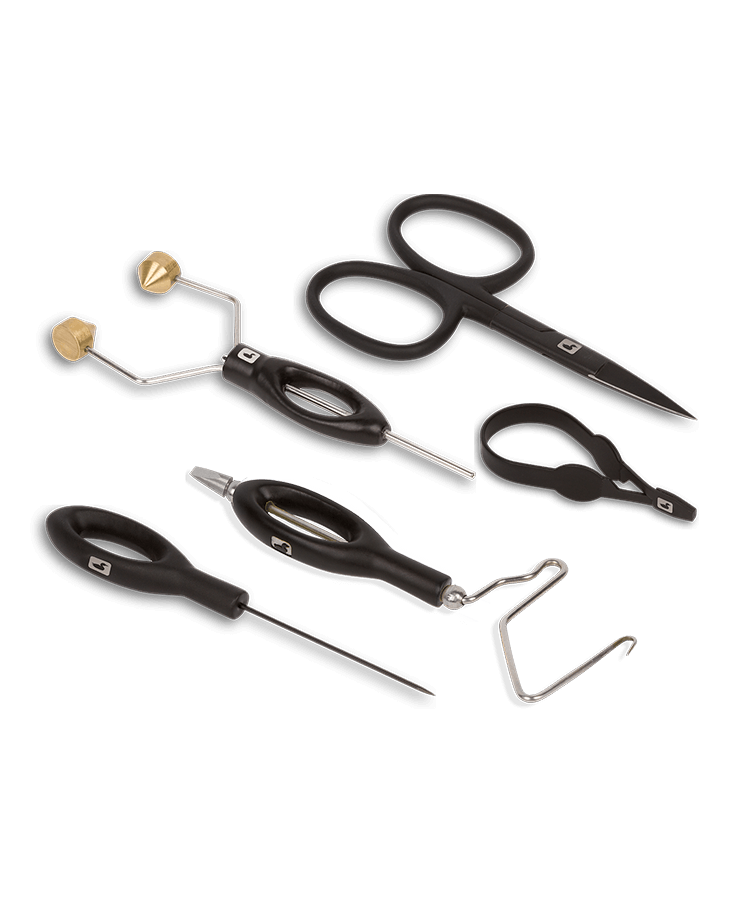
How to actually start tying flies — the beginner bench (vise, bobbin, scissors, whip finisher), the first patterns that catch fish, and the learning curve.

How to finish a fly properly: the whip finish with a rotating tool and by hand, when to use each, and why the head matters more than you think.
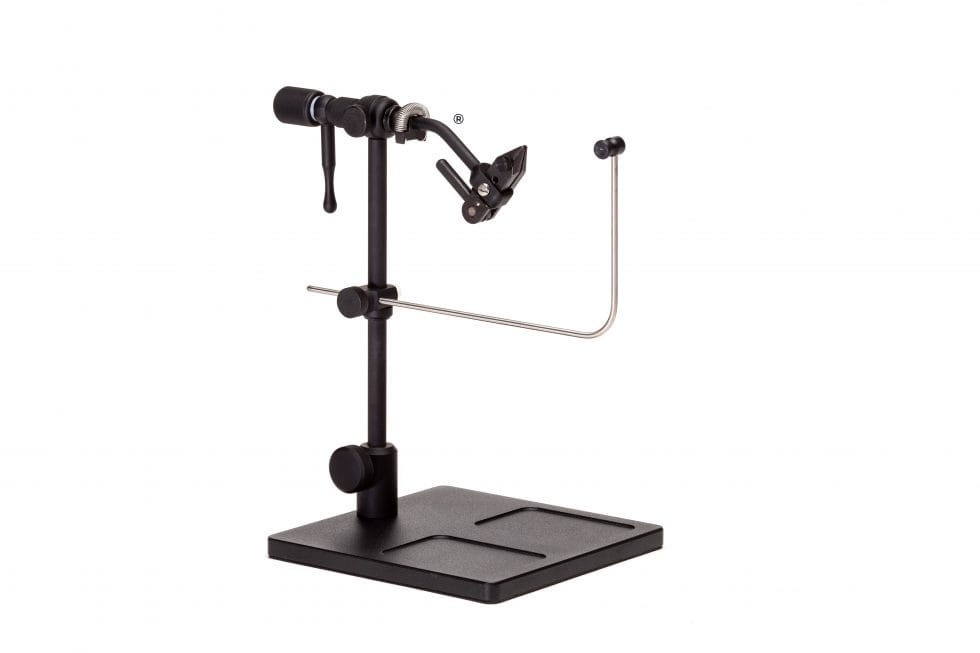
A personal tour of my fly tying bench — the Renzetti, the Renomed scissors, the full Stonfo lineup, and why each piece ended up there.

The San Juan Worm is the unglamorous workhorse of South Platte tailwater nymphing. Red, pink, purple — when and why it earns the point spot on Deckers.
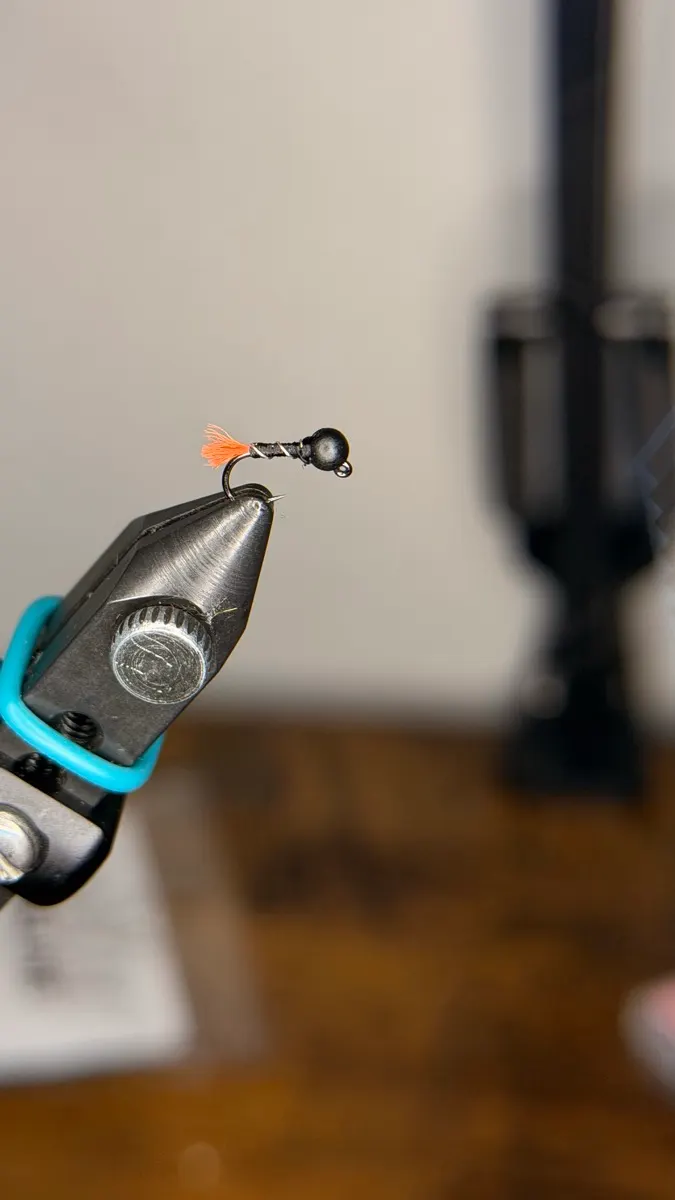
The standard Zebra Midge catches fish. My version — black tungsten bead, orange tag, tied on a Fulling Mill jig hook — catches more. Here's the Torch.
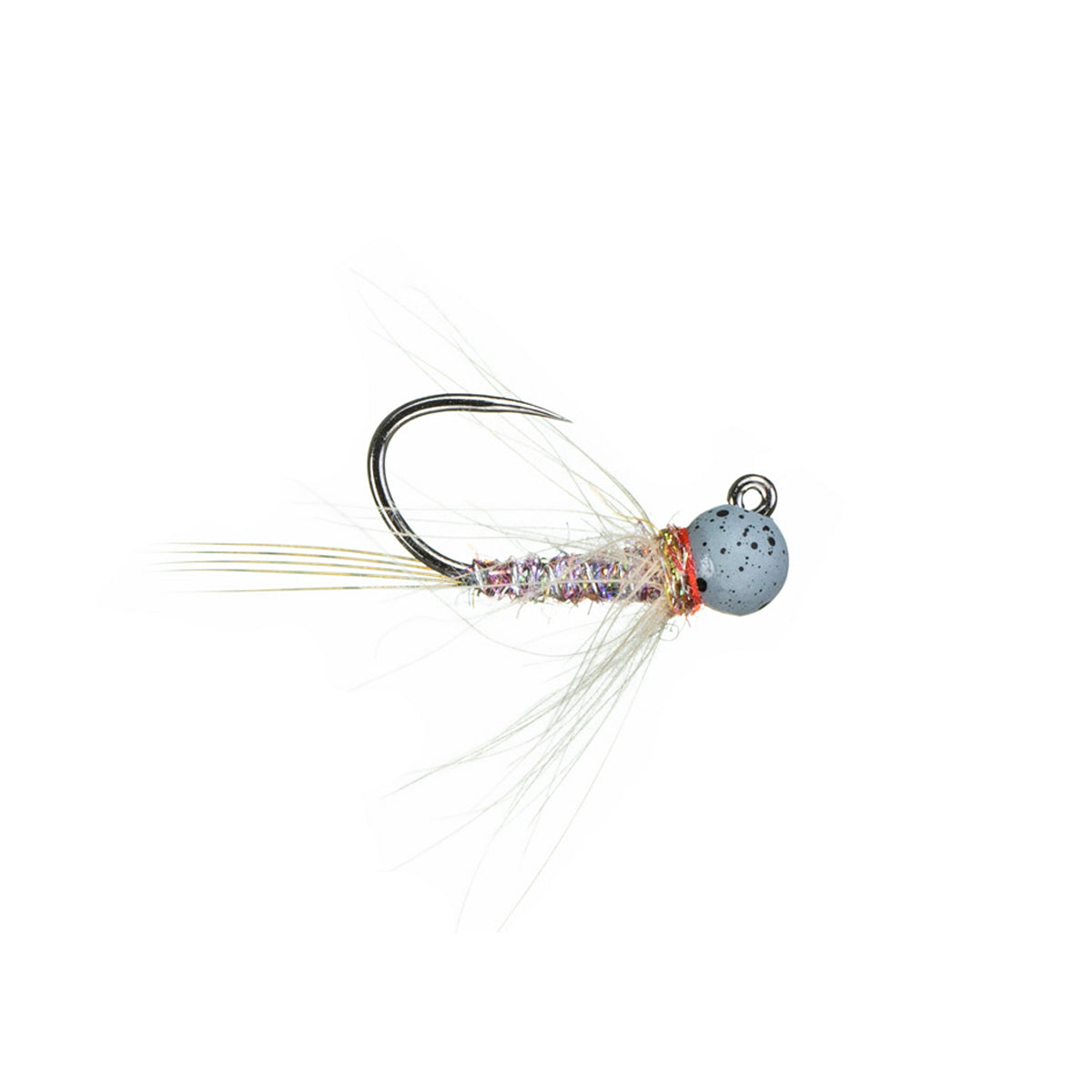
Craig McDonald's Scottish jig nymph — red wire rib, UV brown body, silver bead. Named after the battery. Why it dominates Deckers and Cheesman all winter.

Lance Egan's UV pink hotspot Pheasant Tail jig: competition-bred, guide-proven. Why it works year-round on Deckers and Cheesman when standard PTs fade.
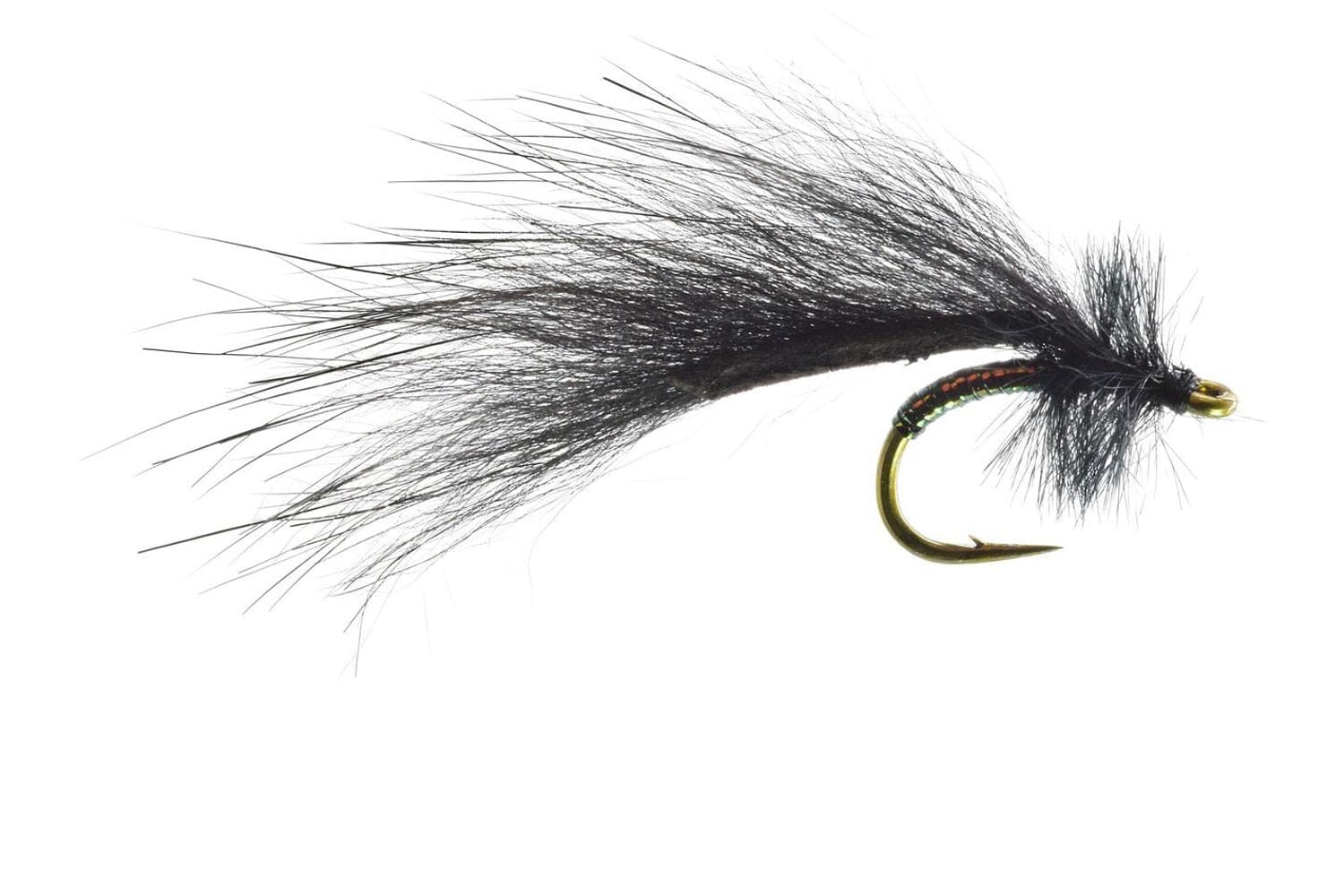
Landon Mayer's pine squirrel mini leech on a jig hook. Dead-drift, jig-style — why this small pattern out-fishes swung streamers on South Platte tailwaters.
My favorite fly. Devin Olsen's competition jig with a hot-tag and opalescent rib. Why I tie the Blowtorch in orange and green, and how to fish it tight-line.
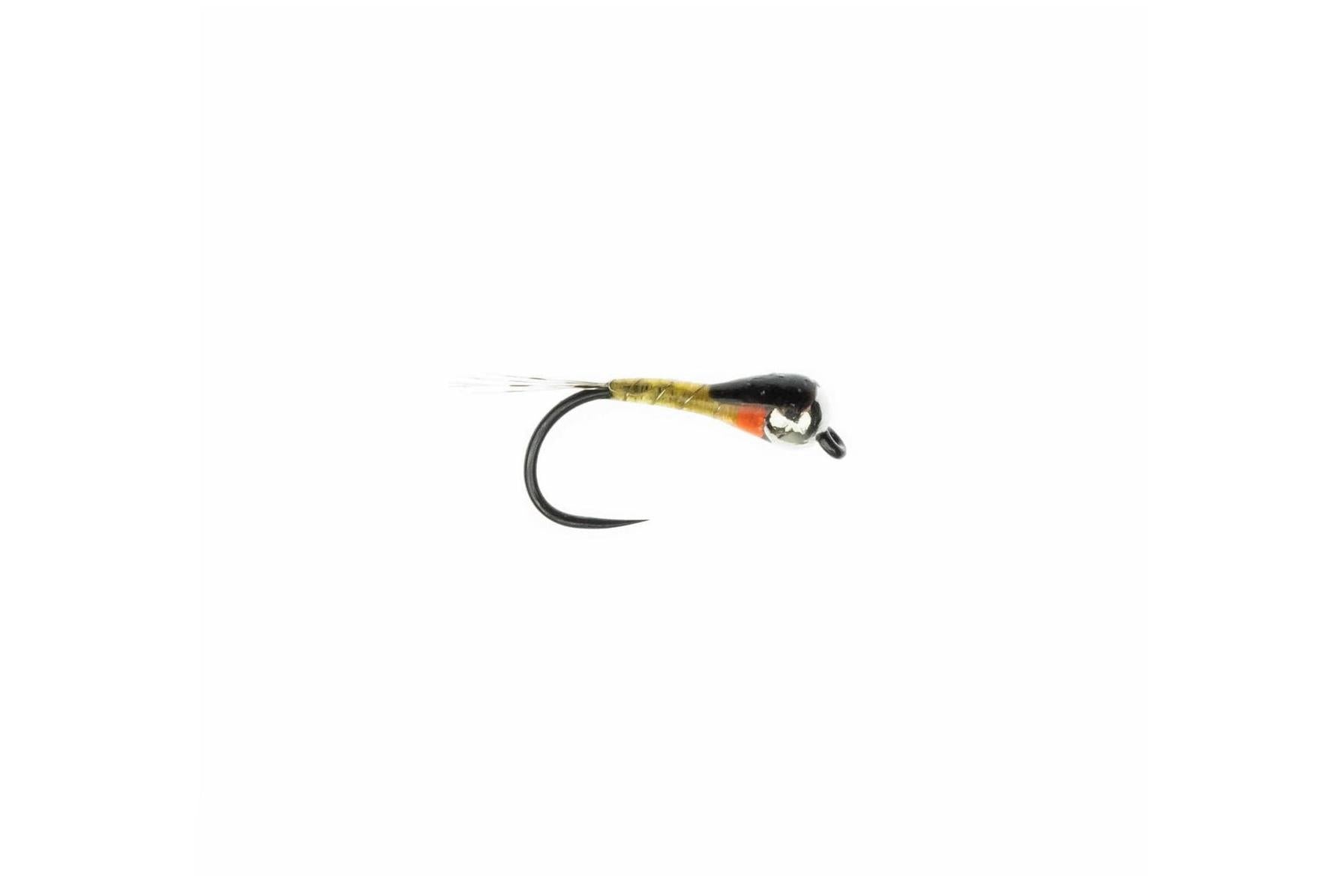
Spanish competition nymph with a UV resin body that sinks 40% faster than traditional patterns. The anchor fly that gets your rig to depth before the current.
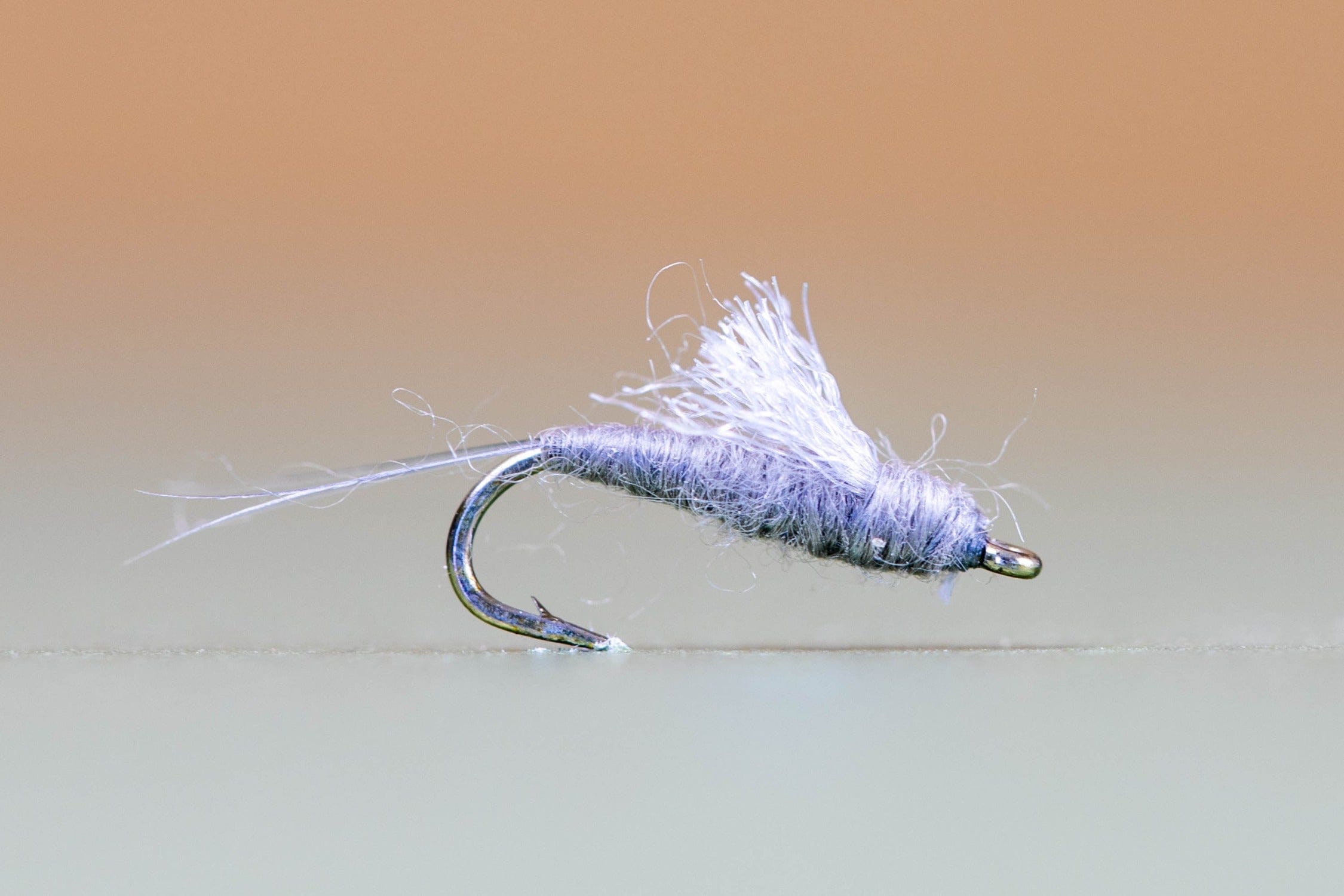
Rim Chung tied the RS2 in the 1970s for the South Platte. Fifty years later it's still the most-fished emerger on Deckers, the Dream Stream, and Cheesman.
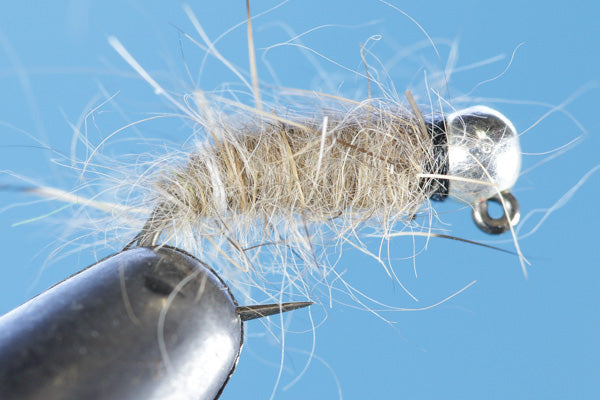
Walt Young's 1984 Pennsylvania limestone nymph — buggy hare's ear body, cigar profile — imitates scuds, cased caddis, and crane fly larvae all at once.
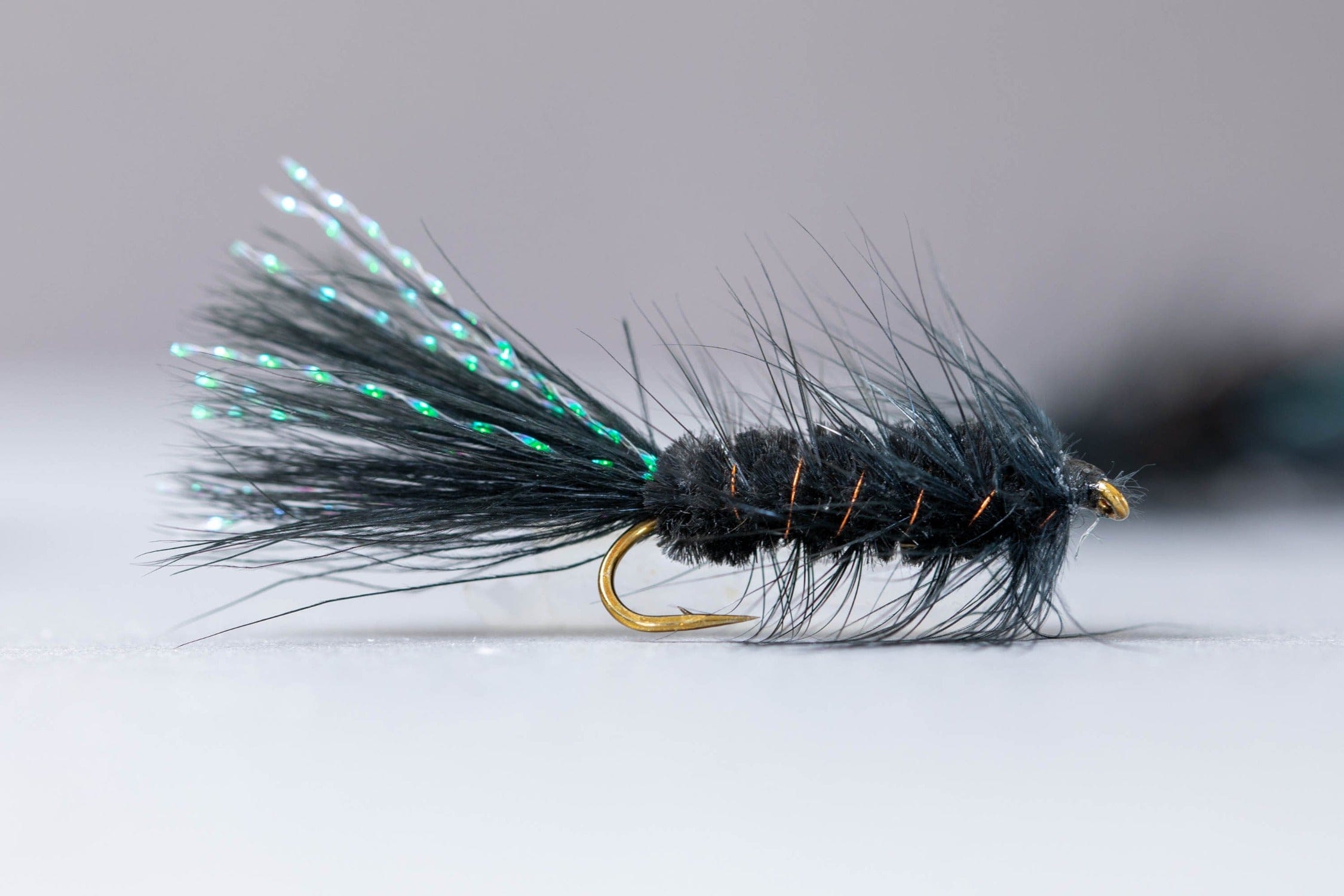
Russell Blessing's 1967 Pennsylvania pattern is the most-tied fly in fly fishing. Why the Wooly Bugger still earns its place for fall browns and high water.

John Barr's classic emerger imitates mayflies stuck mid-hatch. Recipe, rigging, and when to fish the PMD and BWO versions on Deckers and the Dream Stream.

Recipe, tying notes, and how to fish Pat Dorsey's Mercury Midge — one of the most consistent midge patterns on pressured tailwaters.
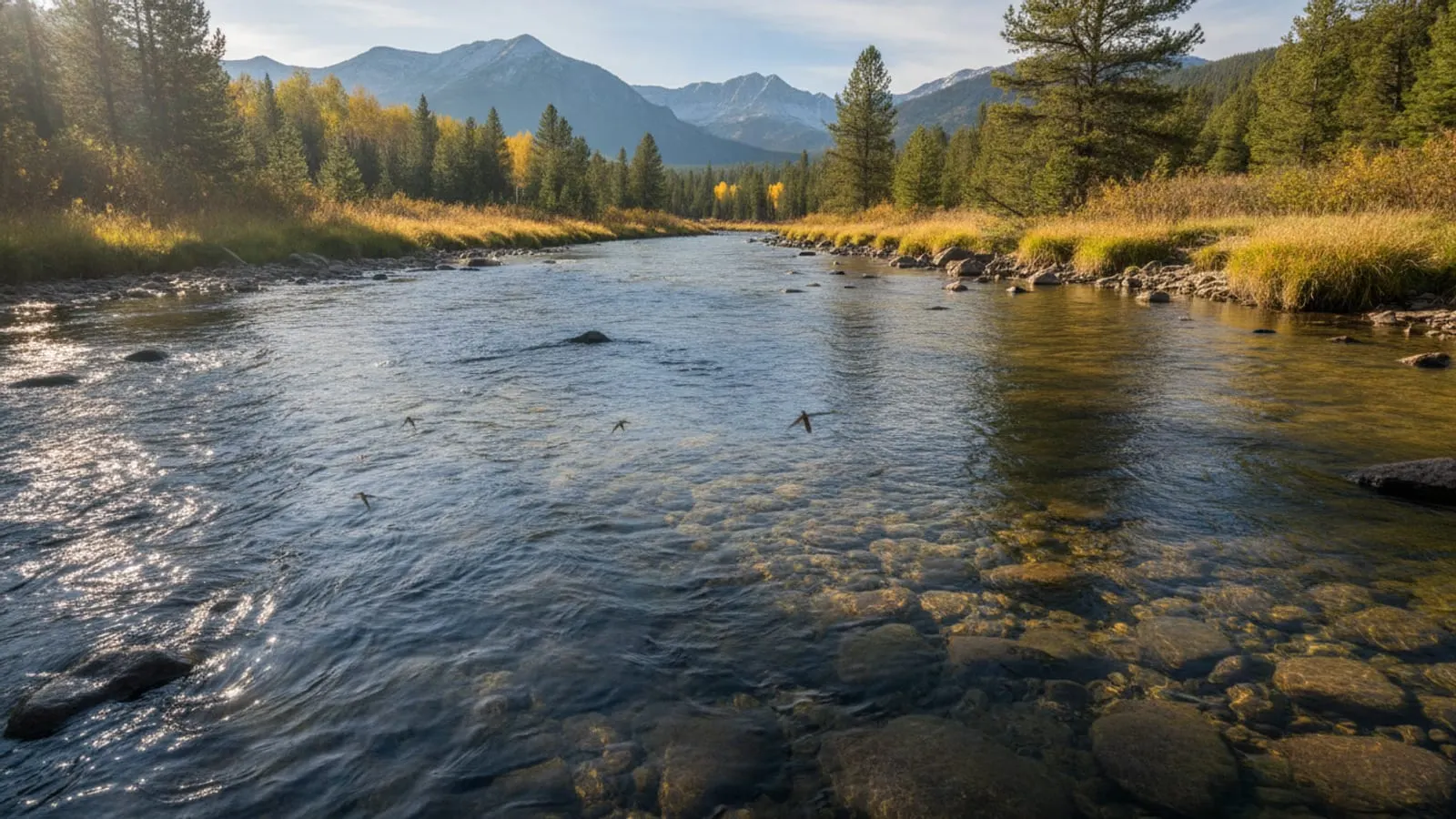
The eight South Platte nymph and dry fly patterns that produce more fish than anything else — how to tie them and why they work on technical tailwater trout.