
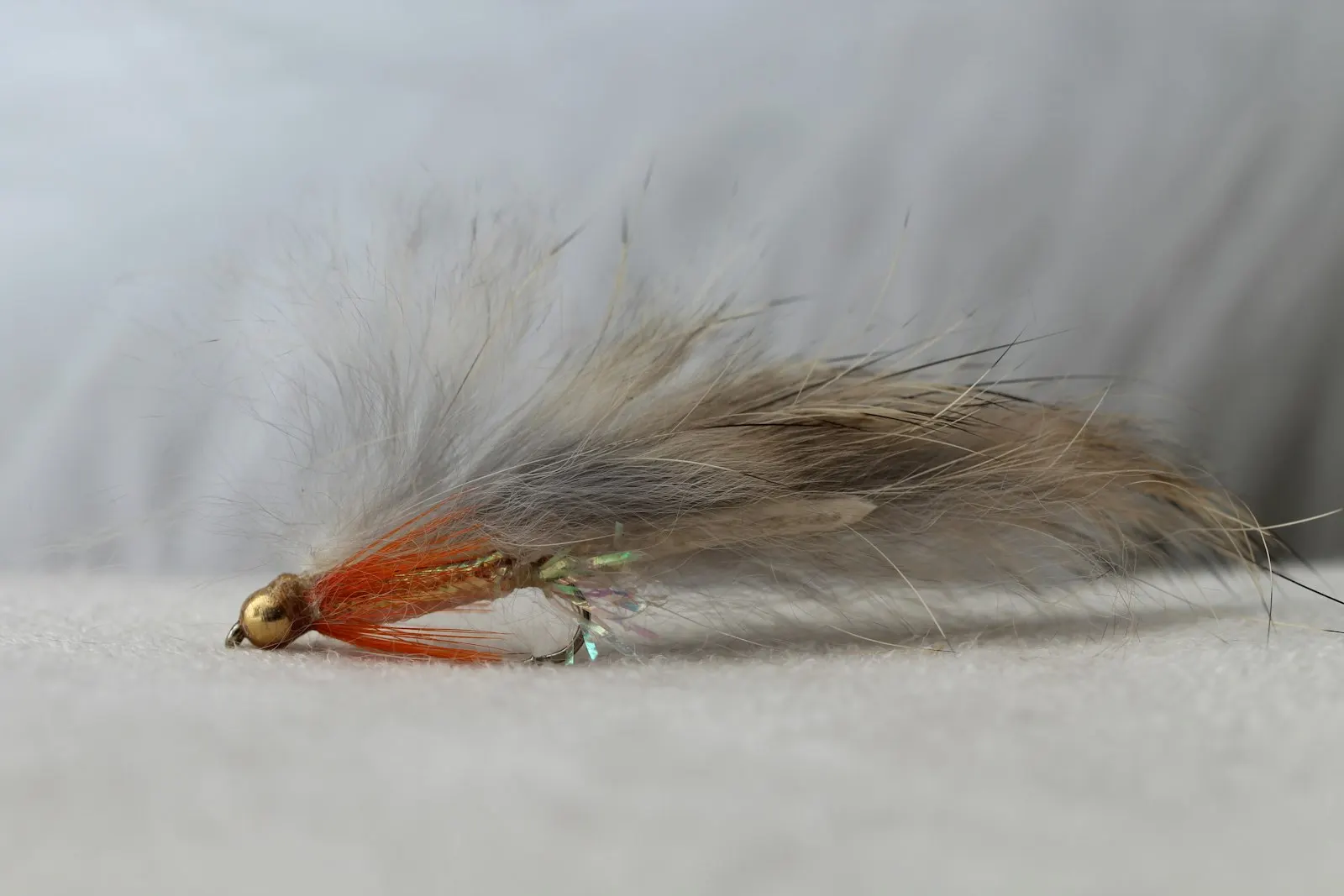
The Point-and-Dropper Rig: Two-Fly Tight-Line Tactics
The two-fly tight-line rig is about strategy, not the leader: which fly rides point, which the dropper, how spacing changes with depth, and when to change depth vs. fly.
The journal · Page 2 of 12
River guides, fly selection, and field notes from the South Platte. Written from the water, not a desk.
The two-fly tight-line rig is about strategy, not the leader: which fly rides point, which the dropper, how spacing changes with depth, and when to change depth vs. fly.
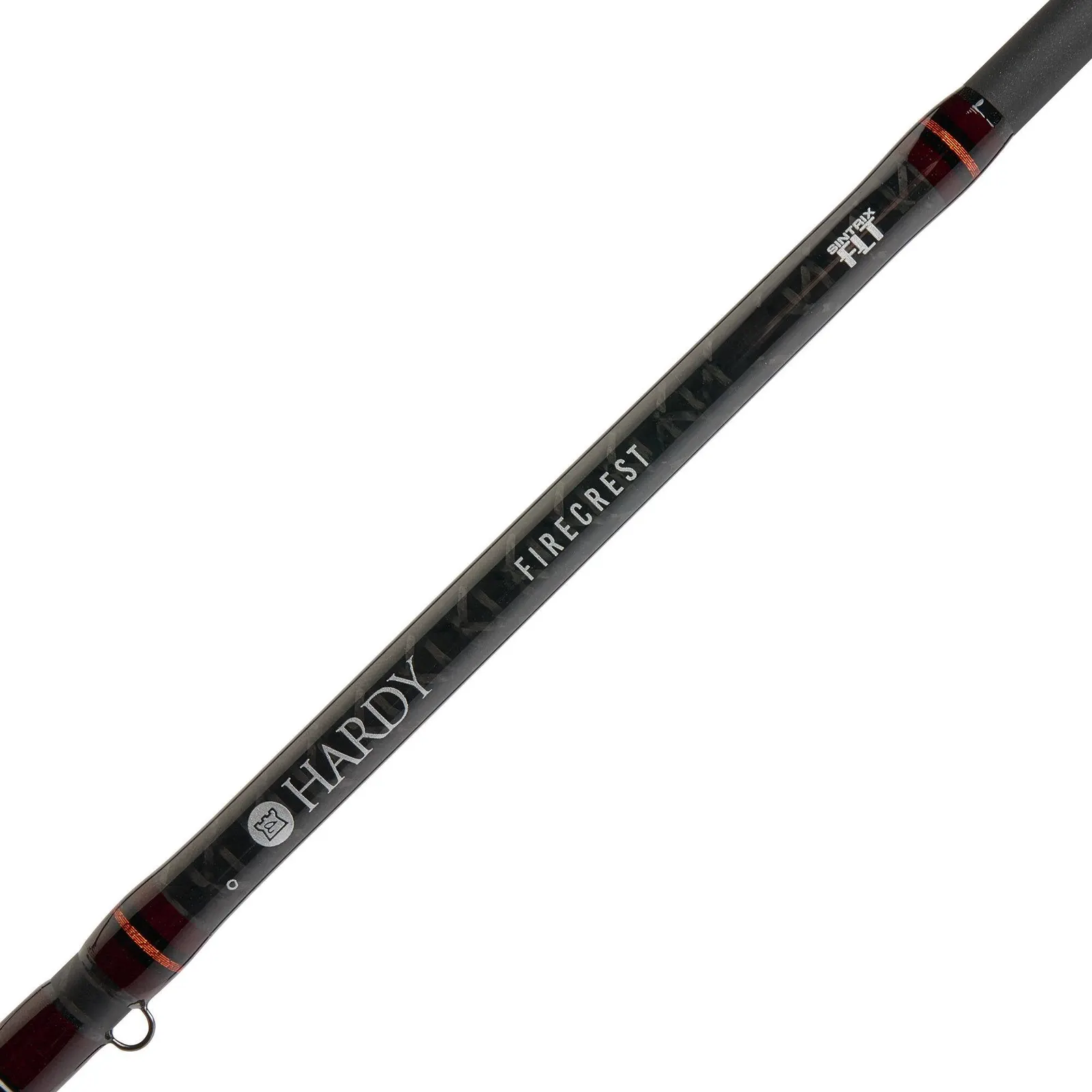
Six trout streamer rods for Colorado tailwaters, sorted by 6wt vs 7wt, sink-tips, South Park wind and swing weight, plus the upgrade I'd make from my Vice.
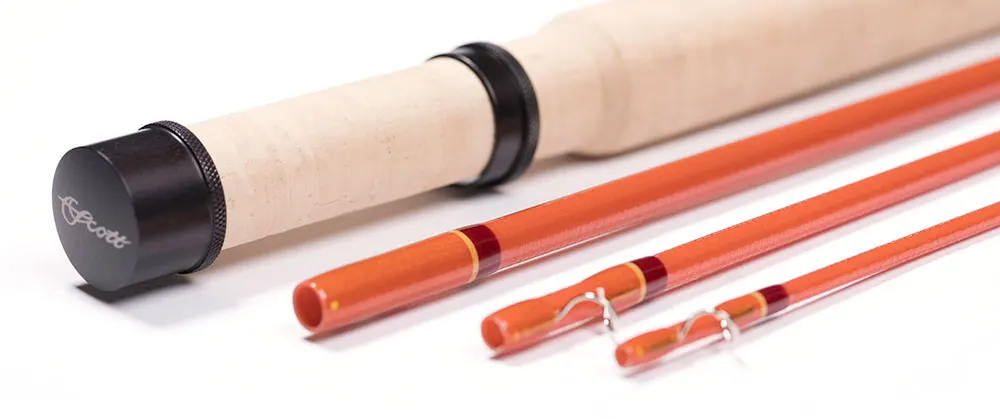
The rod, reel, leader, flies, and on-water tactics I use to fish small Colorado blue-line creeks — short soft glass, dry-dropper rigs, and a stealth game built on moving slow.
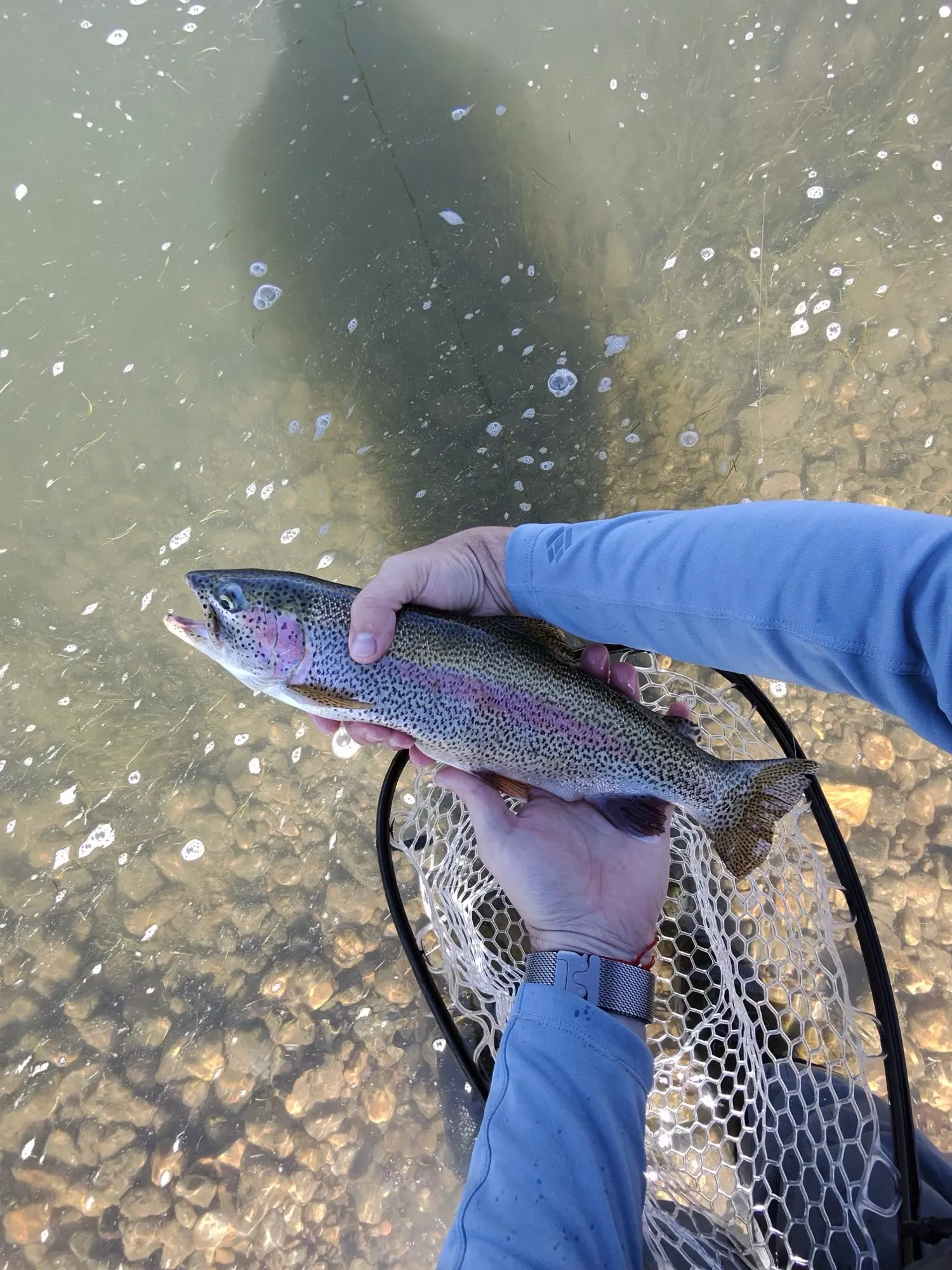
Drift control on a tight line: when to lead the rig and meter the pace, when to follow the current, and how to stay in light contact without towing the flies off the bottom.
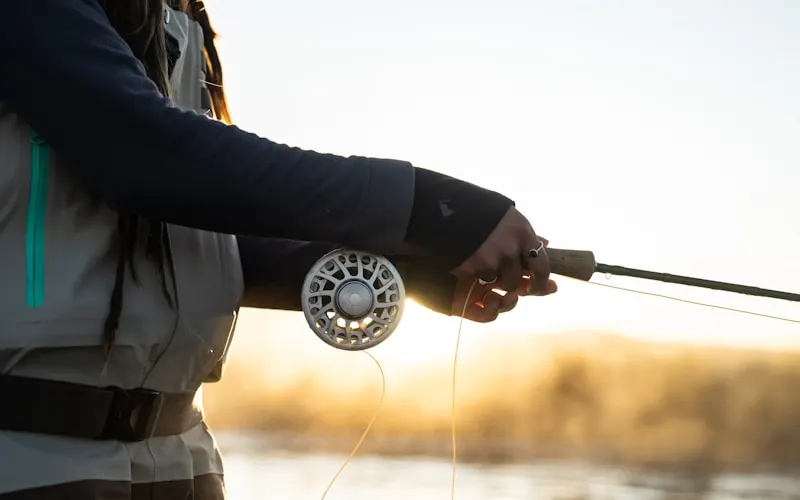
Most of the trout I catch come inside 30 feet, not on a hero cast. Here's how to be deadly up close — accuracy, drag-beating presentation casts, and tight-quarters tactics.
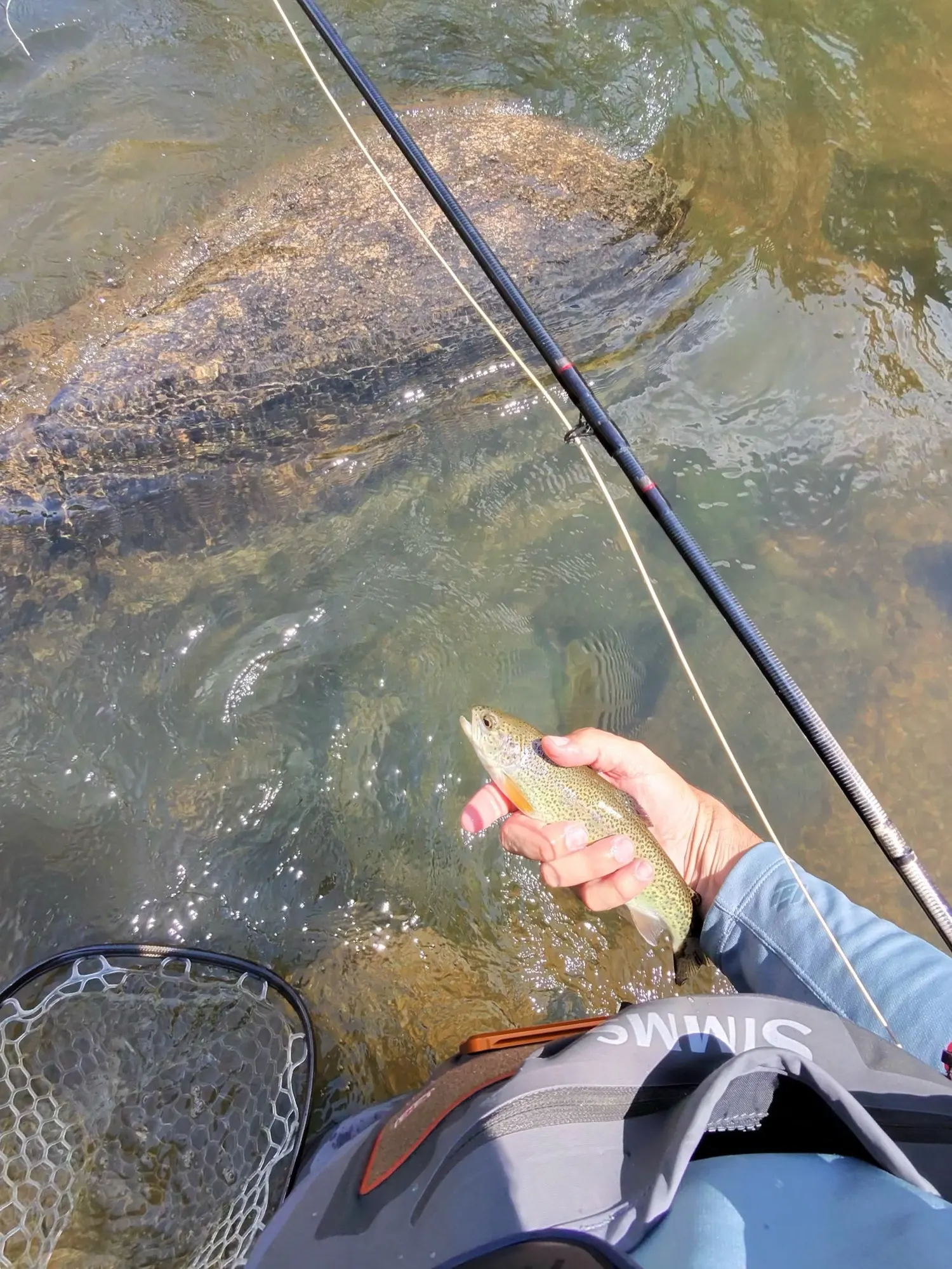
Half of sight-fishing is just seeing the fish. Here's how I read light, pick lenses, and spot trout on gin-clear South Platte tailwater.
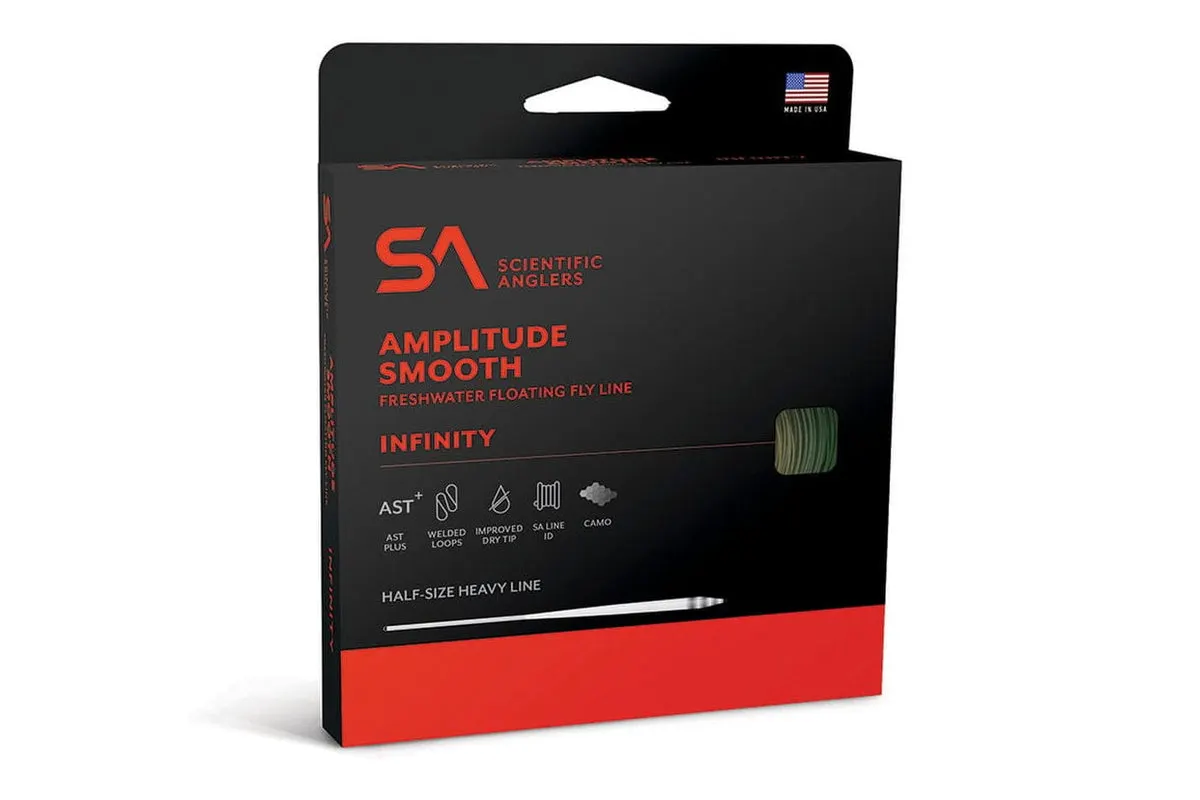
Fly line weights, the AFFTA grain system, WF vs DT tapers, and the 'lines run heavy' reality — why the line you choose matters as much as the rod, explained simply.
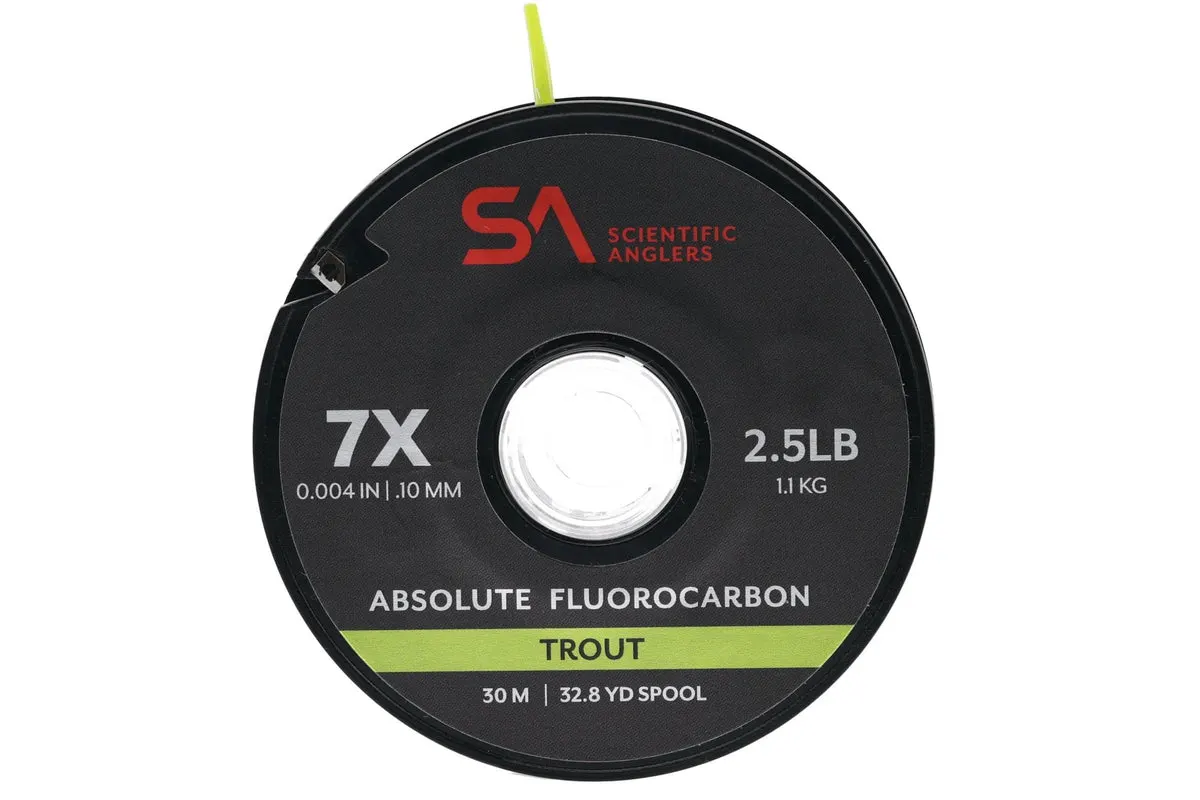
Leader anatomy, the X-rating system, fluoro vs nylon, and the long, light rigs that fool wary trout on Colorado tailwaters like the Dream Stream.

A fly fisher's honest, affectionate roast of fly fishing on screen — from A River Runs Through It to Mending the Line to Yellowstone, and the tropes that make every angler wince.
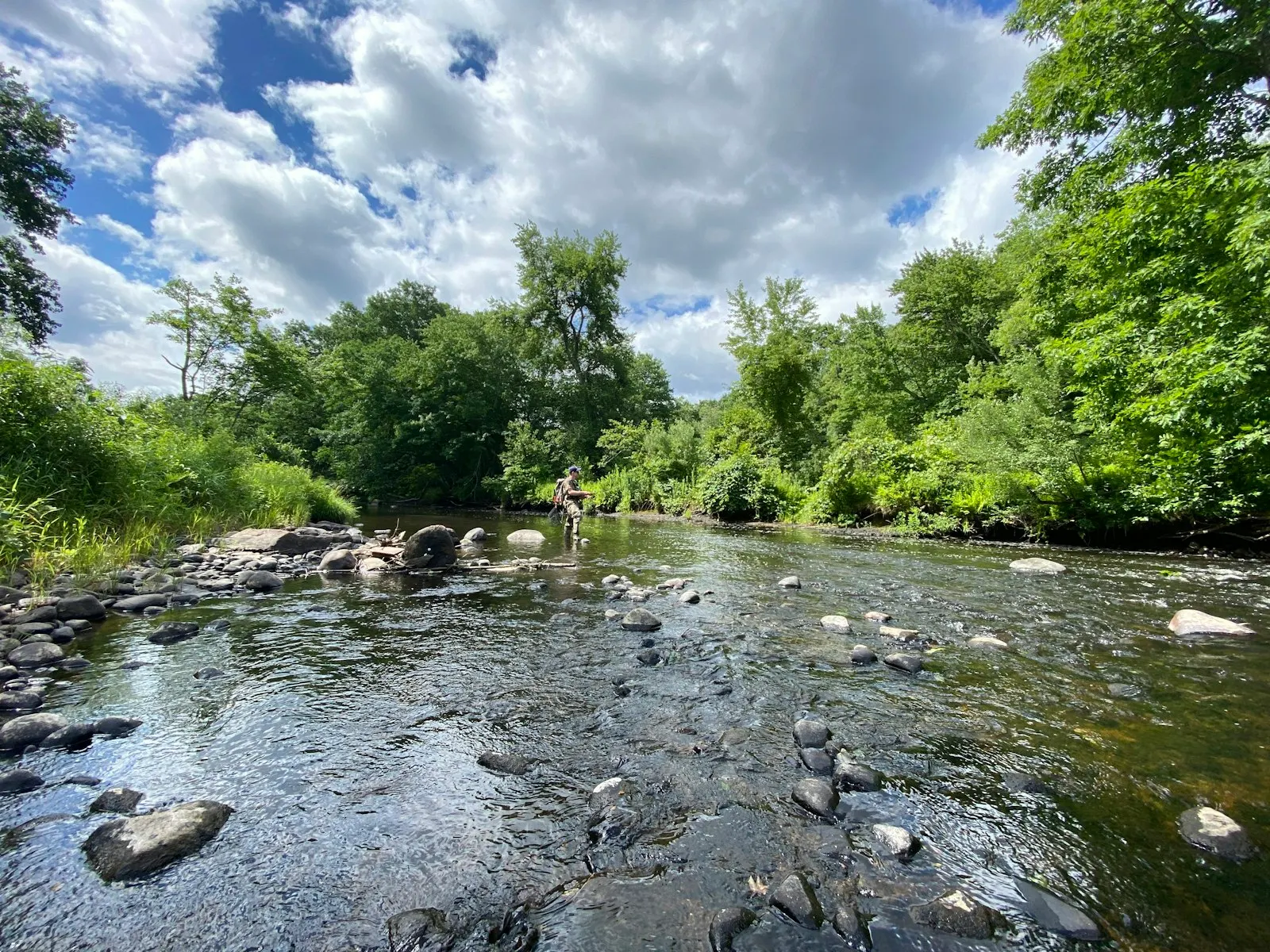
Reading water tells you where trout hold; reading the bottom tells you where your flies will tick. Spotting buckets and shelves, then setting weight and tippet to ride the slot.

An honest breakdown of what separates a $300 fly rod from a $1,000 one — modulus, swing weight, recovery, warranty — and where the money is real versus marketing.

On a tight line, the sighter isn't a bobber — it's a gauge. Here are the five things my euro sighter reports on the South Platte: contact, angle, depth, speed, and the take.