
In this guide
Hardy split its new rod in two.
The Tactus is two families under one name: a nymphing rod for euro and tight-line work, and a dry fly rod for long leaders and fine tippet. Hardy announced both on October 6. The tapers come from Howard Croston, Hardy’s lead rod designer and a world-championship competition angler, and you can see the competition background in how specific each model is.
That split caught my attention because I split my own time the same way, between euro nymphing and dries on technical tailwaters, with Deckers as home water.
The lineup at a glance
| Tactus Nymphing | Tactus Dry Fly | |
|---|---|---|
| Price | $995 | $950 |
| Models | 10’2” 2wt, 10’8” 0/2wt, 10’8” 3wt, 11’2” 2wt | 9’2” 3wt, 9’2” 4wt, 9’9” 3wt, 9’9” 4wt |
| Tips | Two: tubular carbon and solid nano-carbon | One |
| Action | Moderate | Moderate |
| Pieces | 4 + 1 (four sections plus the second tip) | 4 |
| Blank | Sintrix FLT | Sintrix FLT |
Sintrix FLT is the resin system Hardy already uses in the Marksman and in the new Firecrest. It lets the blank lose weight without losing strength. Hardy hasn’t published weights for the dry rods.
The nymphing rod: two tips for two kinds of rig
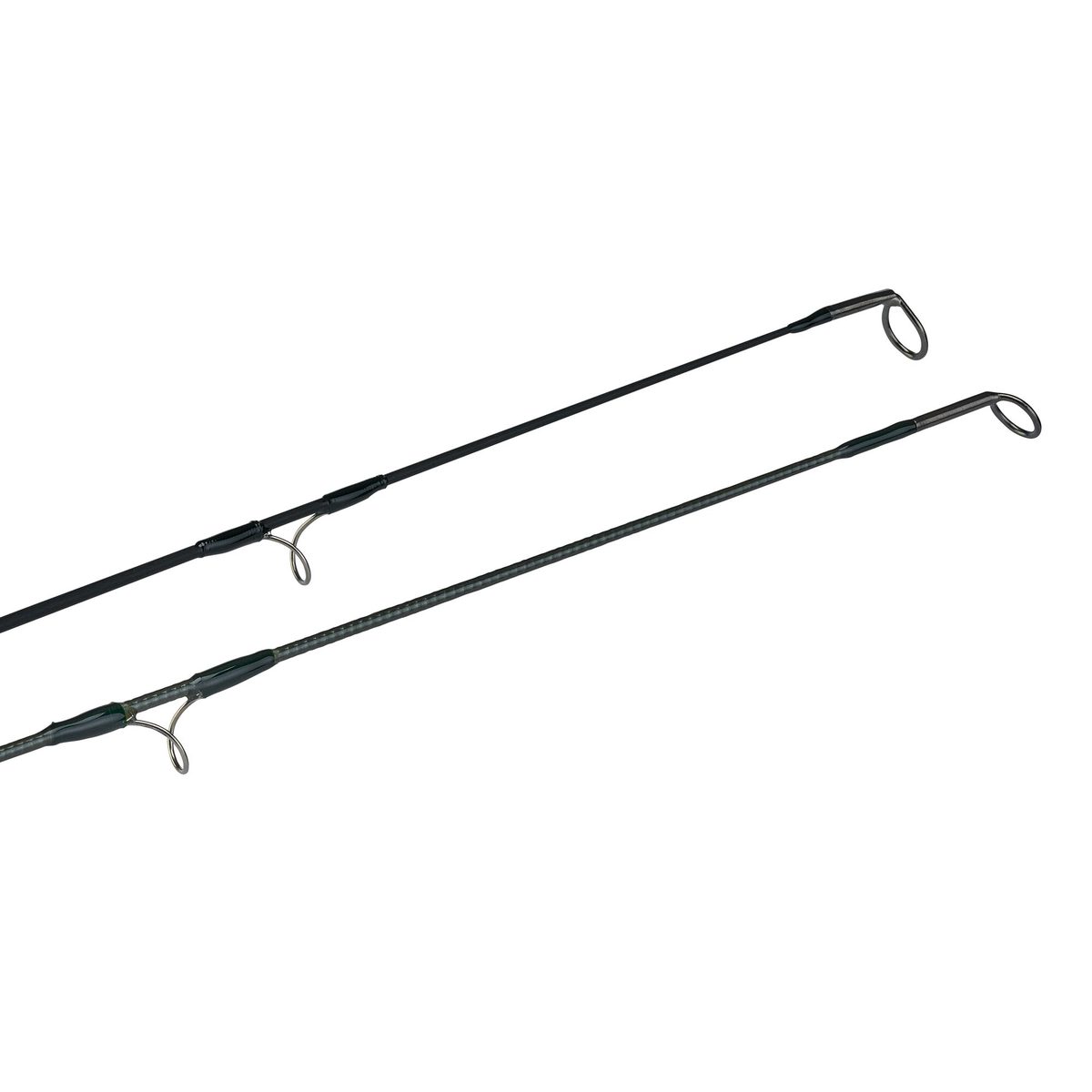
Every Tactus Nymphing rod ships with two tip sections, and neither one is a spare. It’s closer to buying a truck that comes with a second set of tires for the snow.
- The tubular carbon tip is the familiar one. Hardy built it for heavier flies and multi-fly rigs, like two tungsten jigs in fast water.
- The solid nano-carbon tip is the light one. Hardy says it loads under very little weight and is meant for light flies, fine leaders and mono rigs, the take you can’t feel on a single small jig.
The rod costs $45 more than the dry version, which is a fair price for a second tip if you think of it that way. Under both tips, Hardy calls the butt section “powerful,” and on the Pueblo tailwater or the Dream Stream in the fall, the butt is what lands the fish.
The four models, by length and line:
- 10’2” 2wt: the shortest, for tighter water and shorter drifts.
- 10’8” 3wt: the only 3wt in the nymph family, so the one aimed at heavier rigs and bigger water.
- 11’2” 2wt: the longest, which means the most reach. Reach is what lets you work a seam at Deckers without wading on top of the fish.
- 10’8” 0/2wt: listed as a 0/2-weight, the lightest line rating in the family. That’s a rod built for leaders more than fly line.
The small details are aimed at euro anglers too. The blank is unground so a wet mono leader slides instead of sticking, the stripping guide sits low to cut line sag, and the tip carries double-leg snake guides. If you’re building your first euro rig, those are the things that make a mono leader behave.
The dry fly rod: long leaders and little fly line
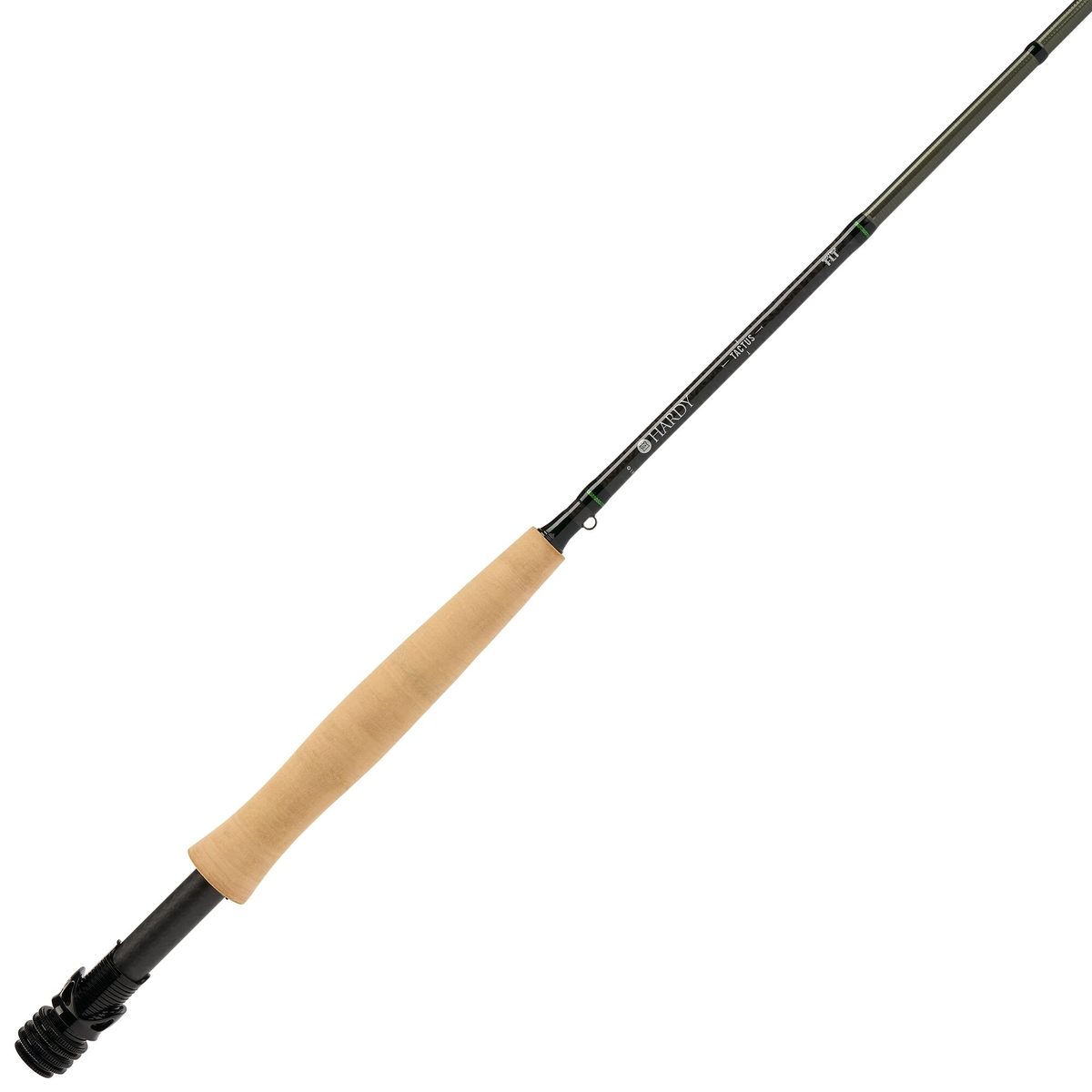
Hardy built the dry rod around long leaders, “Spanish-style” dry fly fishing and folded-leader casts. Spanish-style means a leader in the 18 to 22 foot range with a long, fine tippet, and only a few feet of fly line out of the tip. That’s a leader twice as long as the rod, which sounds like a mistake until you see why. The slack in that long tippet is what buys a drag-free drift, and on flat tailwater, drag is usually what’s spooking the fish. You steer the leader with aerial mends and curve casts instead of mending fly line on the water.
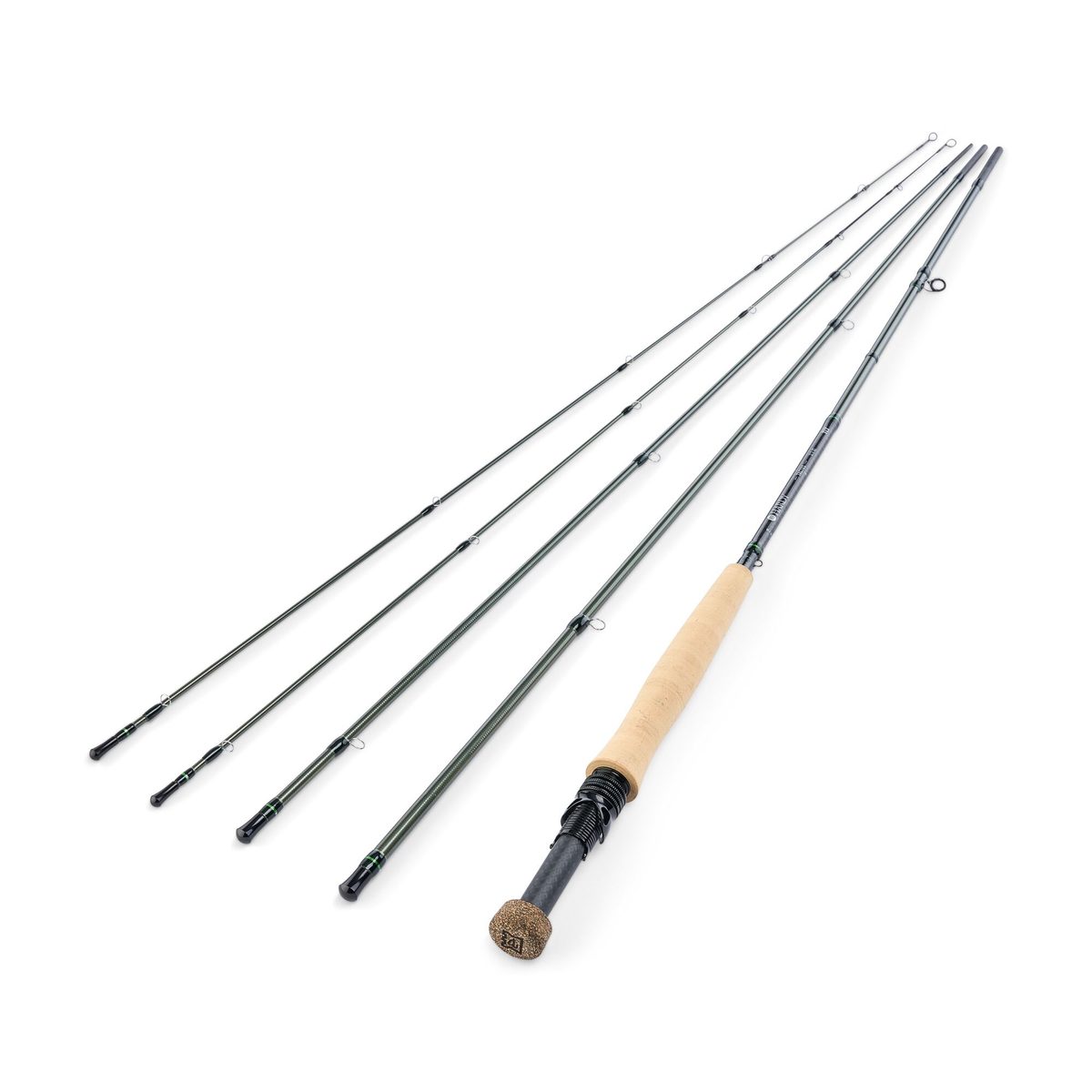
It’s a 4-piece rod in two lengths:
- 9’2”: Hardy’s pick where accuracy and delicacy come first.
- 9’9”: more reach and mending, with a tip Hardy says is soft enough to switch to tight-line nymphing.
Both come in 3wt and 4wt. Hardy is clear that the dry rod isn’t only a dry rod: its page lists dry-dropper, light yarn indicators and swung wets as uses. For most Colorado tailwater days, the line weight question is the usual one, the same trade-off I went through in the best 4-weights for tailwaters.
Which Tactus fits Colorado tailwaters?
It depends on which half of the day you want to cover. If most of your fishing is euro on Deckers, Cheesman or the Dream Stream, it’s the nymphing rod, and the 11’2” 2wt or the 10’8” 3wt depending on whether you want reach or backbone. If your days are dries on flat water with long leaders, it’s the 9’2” dry rod. If you want one rod that fishes dries most of the time and nymphs when the rise stops, it’s the 9’9”, which is the length Hardy built to cross over.
Where to find them
The Tactus is in shops now. Tactical Fly Fisher carries all four nymphing models and the 9’9” dry rods. The 9’2” dry rods weren’t on their site when I checked. Whether a $950 rod is worth it over a cheaper one is its own question, and I went through it in are expensive fly rods worth it.
My take
What I like is that Hardy split the line by main job and still let each rod cross over, instead of building one rod and calling it versatile. The two tips are the part that matters most on our water. One rod that carries a light tip for a single small jig on a technical flat and a stiffer tip for a heavy two-fly rig in fast water covers a lot of Colorado nymphing. And a dry rod built around a 20-foot leader tells you exactly who Hardy had in mind: the angler who’d rather add six feet of tippet than change flies again.
Next: the drift matters more than the rod, so start with the drag-free drift on tailwaters.
Product photos: Hardy.