
In this guide
This is the worst snowpack year Colorado has recorded in the roughly 40-year SNOTEL era. Statewide snow water equivalent peaked at about 51% of median — the lowest peak ever measured — and then fell off a cliff, dropping to around 22% of median by April 1 as what little snow there was melted off fast (NRCS). Rivers across the state ran 4-6 weeks ahead of schedule. Rainbow trout on some drainages were spawning in February. Caddisflies showed up in early April. The river basically skipped to the part of the year I usually have to wait for.
The question I keep getting — at the shop, in the parking lot, in my texts — is: how bad is it going to be on the South Platte?
The honest answer is “it’s complicated,” which I know is the answer nobody wants. Tailwaters and freestone rivers are not living through the same drought, and the distinction matters a lot for how you plan your season. So let me walk you through what’s actually changing and how I’m adjusting, the same way I’d tell you standing on the bank.
The short answer
Colorado’s record-low snowpack won’t close the South Platte tailwaters — Deckers, Cheesman, and the Dream Stream are dam-regulated, so they’ll fish well through May and June; the real risk is late-season as reservoir levels drop, while the unregulated freestone rivers are the ones that’ll warm past safe temps before July 4th. Slide your whole mental calendar four to six weeks early, fish now, and carry a thermometer — trout hit real thermal stress at 65°F, which is where I stop fishing.
The fish already moved their calendar up. Everything below is just me explaining why you should too.
Why Tailwaters Handle This Better Than You Think
Deckers, Cheesman Canyon, and the Dream Stream below Spinney Mountain are dam-regulated. That insulates them from the worst of what drought does to a freestone river — the flow stays relatively consistent because operators are releasing water from reservoirs rather than depending on direct snowmelt runoff. When the Eagle River is running at 15% of normal and warming fast, Deckers can still be fishing at 140 CFS with 48°F water because Cheesman Reservoir is releasing controlled amounts.
That doesn’t mean we’re immune. It means the mechanism of impact is different.
For freestone rivers, drought means low flow, warm water, stressed fish, and fishing closures. That’s the direct hit. For tailwaters, the risk is subtler: reservoir levels drop over the course of the season, operators get squeezed between municipal demand (Cheesman Reservoir supplies Denver metro water), and the buffer that normally gets us through a dry August gets thinner. The river itself may look fine in May and June. By late July, that equation can change.

The Antero Situation
If you fished Antero Reservoir, it’s off the table for this season. Denver Water — which owns and operates Antero — closed the reservoir to recreation for 2026 and is drawing it down in response to the drought, moving that water downstream through the South Platte system to Spinney, Eleven Mile, and Cheesman. With the reservoir dropping and recreation closed, the stillwater fishery is gone for the season.
From a tailwater fishing standpoint, the drawdown isn’t terrible news in the short term — that released water keeps the system supplied. The long-term picture is that Antero won’t refill quickly, and that stillwater fishery is off the table for at least a year, probably longer.
For South Platte tailwater anglers, the practical effect is that one of the best nearby stillwater options is off the table this season. Plan accordingly.
Will the South Platte close to fishing this summer?
Not the tailwaters, in all likelihood. Deckers, Cheesman, and the Dream Stream are dam-regulated, so their flows and water temperature stay more stable than freestone water — the real risk is later in the season as reservoir levels drop, not a May or June closure. The freestone rivers are the ones to worry about; some stretches will warm past safe fishing temperatures before July 4th.
What the Fishing Actually Looks Like Right Now
This is May, and right now the fishing on Deckers and Cheesman is good. Better than average, honestly — which feels almost rude to say in a year everyone’s wringing their hands about. The early runoff that everyone is panicking about has largely cleared. The water is at workable flows. Hatches are running early — expect PMDs and caddis to be more advanced in their cycle than a typical May — but they’re happening.
The instinct to wait for “normal” timing is wrong this year. There is no normal timing in 2026. The fish, mercifully, don’t read the snowpack reports. They’re responding to water temperature and light, and right now those conditions are favorable.
Go now. The window before summer heat becomes a problem on the tailwaters is open, and it’s going to close earlier than usual this year.
Water Temperature Is the Number That Matters
Here’s what I’m watching: water temperature. One number, and it does both jobs:
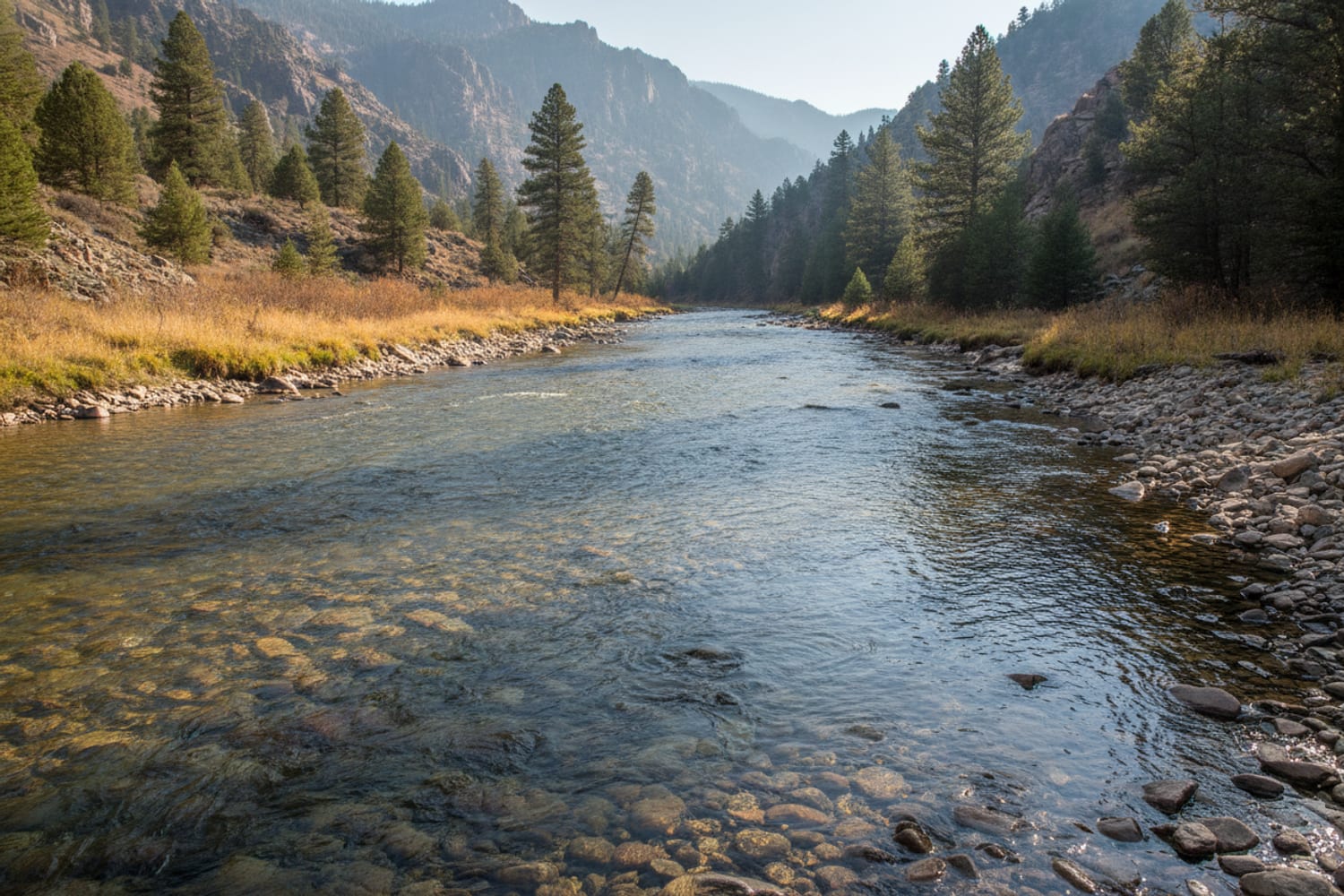
65°F — this is where I stop fishing. It’s the same temperature at which trout start showing real thermal stress: elevated cortisol, reduced feeding, longer recovery after release. That’s not a coincidence, it’s the reason. I don’t fish through the shoulder where catch-and-release quietly starts killing them. Past 68°F the mortality risk stops being marginal at all, and at 71°F and above I’m not fishing for trout under any conditions.
On a well-managed tailwater, water temperature stays cold because the release comes from the cold layer of the reservoir. In a normal year, Deckers might see 65°F water briefly in August afternoons and recover by morning. This year, with lower reservoir levels, that buffer is thinner.
I’m carrying a thermometer every time out — which, if I’m honest, is the kind of thing I’ve always told other people to do and rarely bothered with myself on the South Platte. The water’s cold, end of story, so it usually lived at the bottom of the pack. This year it lives in a chest pocket. Check the temp when you get there. Check it again at noon. If it’s climbing toward 65, finish up and go eat lunch.
The practical adjustment for summer: fish earlier. Starting at first light is always better anyway. This year it’s necessary rather than optional.
My take
When the “how bad is it” texts come in, my answer has settled into one line: slide your whole mental calendar four to six weeks early and fish like it. The river already did — rainbows spawning in February, caddis in early April — so the June you’re picturing is happening in May, and the August you’re picturing may not happen at all. I’m not treating this season as ruined; I’m treating it as rescheduled. The doom headlines are about snowfields. The fish are about water temperature, and right now the temperature is on our side. That won’t stay true, which is the whole point.
Dream Stream — Watch the Flows
The Dream Stream below Spinney Mountain Reservoir is the South Platte water I’m most uncertain about this season. Spinney is a smaller reservoir than Cheesman, with less buffer, and it’s drawing from a drainage that had a rough winter. The flows coming out of Spinney can get cut significantly in a drought year when water managers need to make choices.
I’ll be watching the gauge at Dream Stream closely from June onward. If flows drop below 30-35 CFS through the Dream Stream section, the fishing gets difficult — too much angling pressure concentrated on too-thin water. If it drops further than that, I’ll redirect elsewhere until conditions improve.
The Arkansas River at Pueblo tends to handle drought well relative to its size; Pueblo Reservoir has substantial capacity. I’d lean on that tailwater more heavily as a backup if the South Platte sections get squeezed late in the season.
The Freestone Rivers Are a Different Story
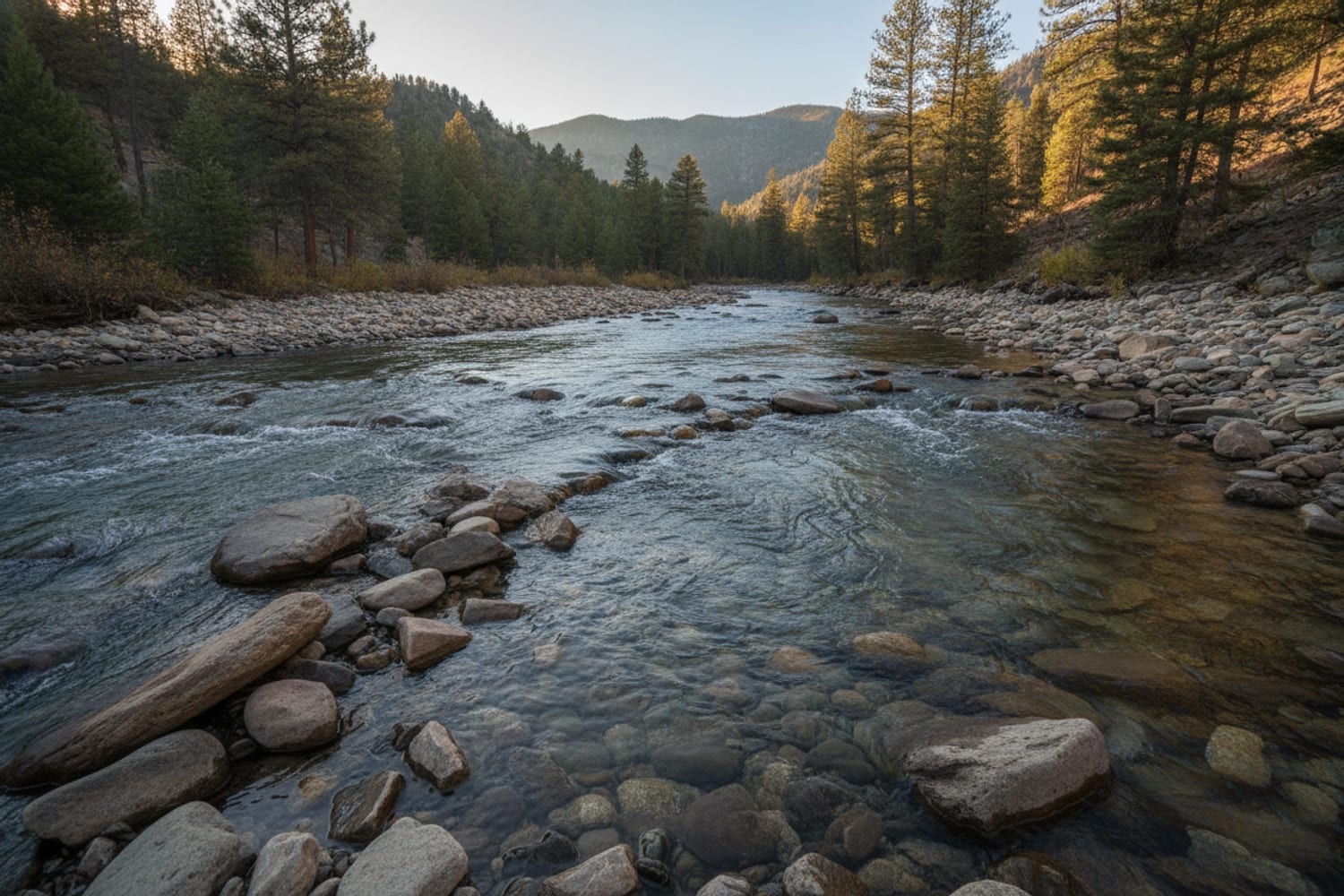
I want to be direct: if you were planning a trip to freestone water — the upper Frying Pan above Ruedi, smaller tributaries, high-elevation creeks — treat your timing assumptions as broken this year. The rivers that don’t have dam regulation are dealing with the full weight of the low snowpack: early, fast runoff that’s already largely done, dropping flows ahead of schedule, and afternoon water temperatures that will shut down fishing on some stretches before July 4th.
That’s not doom. It’s a planning problem. Those rivers will fish well in early morning through mid-June. They may not fish well at all on a 90°F August afternoon. Build your plans around that reality.
How I’m Adjusting
A few things I’m doing differently this season:
Fish May and June hard. These two months are the window. The water is right, the hatches are moving early, and the thermal stress that comes with summer is at least six weeks away. I’m not saving trips for later in the year. The South Platte spring runoff guide covers how to adjust your tactics when flows are elevated.
Thermometer every outing. Already mentioned it. Not optional this year.
Earlier starts. I’ve tended to roll in mid-morning. This summer I’m targeting first light — 5:30 to 6 AM — on any trip where I’m planning to fish through the morning. The best of the day is front-loaded when temperatures are rising fast.
Backup plans. I know where I’m going if Deckers or Dream Stream look compromised. The Arkansas at Pueblo is my primary backup. Cheesman Canyon tends to run colder than Deckers because of the canyon geography — it’s the last resort and the best bet if everything else is warm.
No fighting fish hard in warm water. This is always true, but it matters more this year. Quick releases, minimal handling time, let the fish recover in current before you let go.
Colorado will get through this. The South Platte tailwaters will fish, some of them well. But it’s going to take more attention and more flexibility than a normal season. The anglers who adapt their timing and stay honest about the thermometer will have a good year. The ones who show up in August expecting normal August conditions are going to have a rough time — and I’d rather you weren’t one of them.
So here’s the whole post in three words: go fish now. The rest is just me telling you why.
If you’re heading out, the South Platte hatch calendar will tell you what’s moving early this year.
Cheesman Reservoir data from Colorado Parks and Wildlife. Snowpack data from NRCS National Water and Climate Center.