
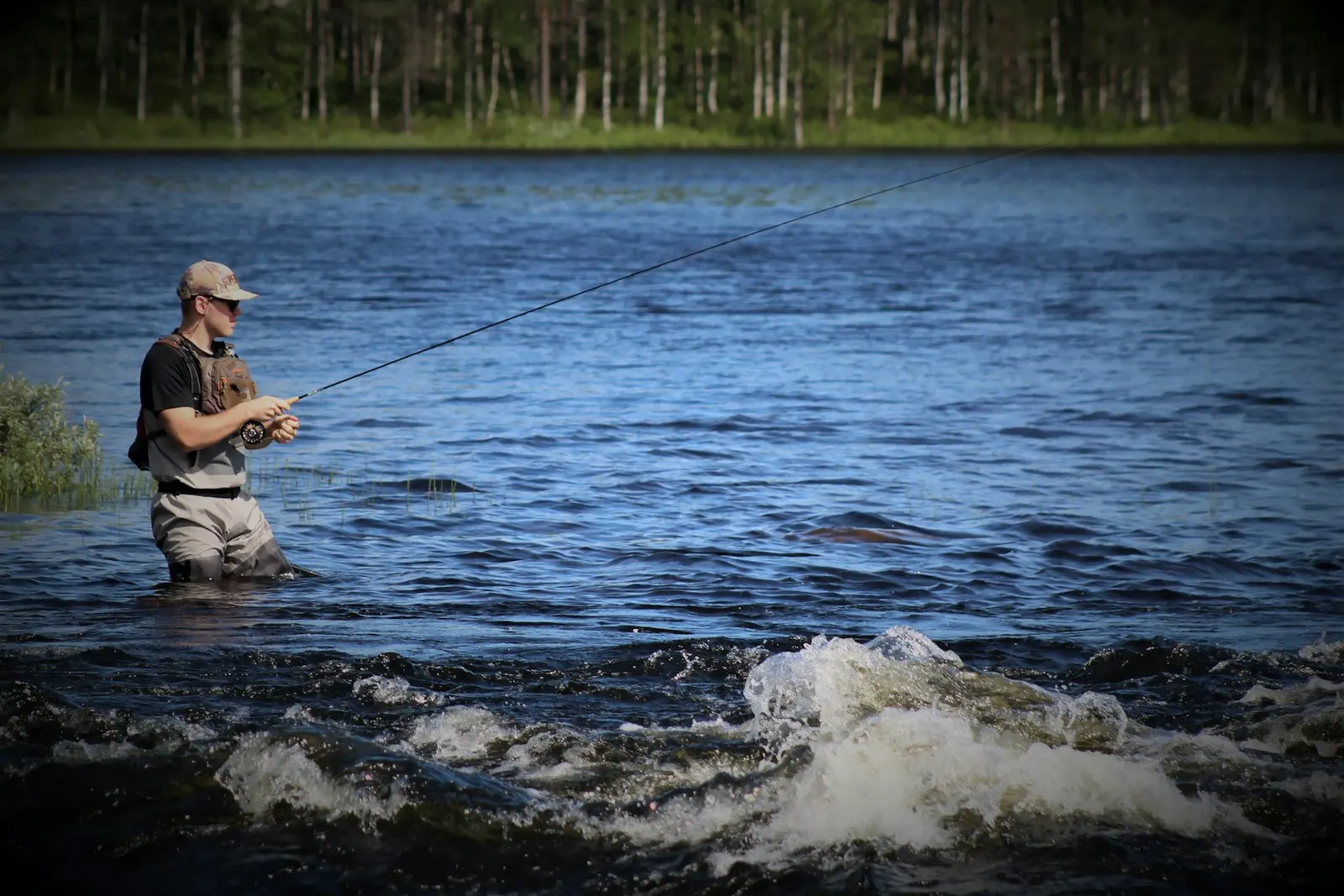
Detecting the Take You Can't Feel
On a tight line, most takes never reach your hand — they show in the sighter. Reading the stall, the tick, and the pause that break the drift, and why you set on all of them.
Tagged
5 posts tagged "the tight line".
On a tight line, most takes never reach your hand — they show in the sighter. Reading the stall, the tick, and the pause that break the drift, and why you set on all of them.
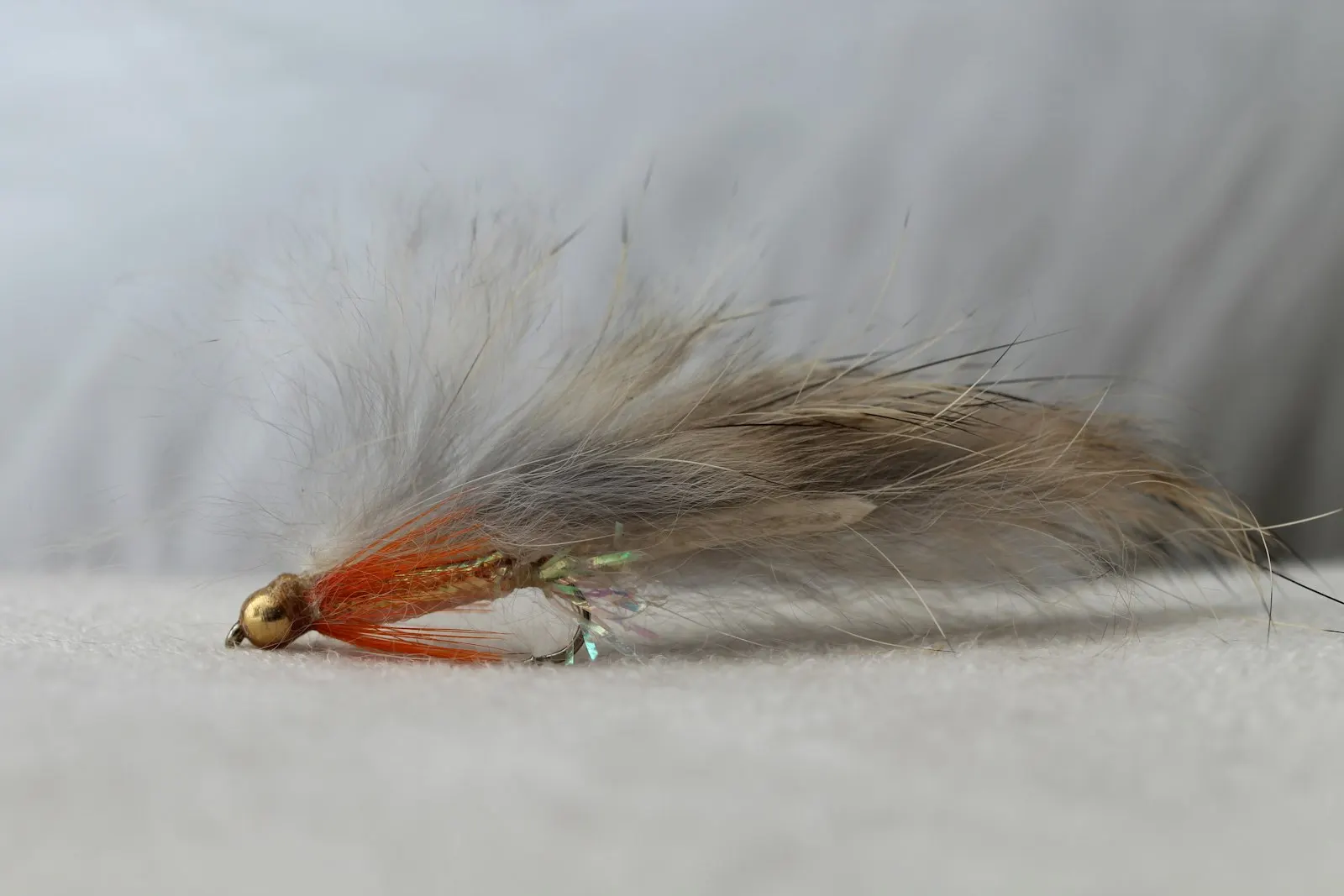
The two-fly tight-line rig is about strategy, not the leader: which fly rides point, which the dropper, how spacing changes with depth, and when to change depth vs. fly.
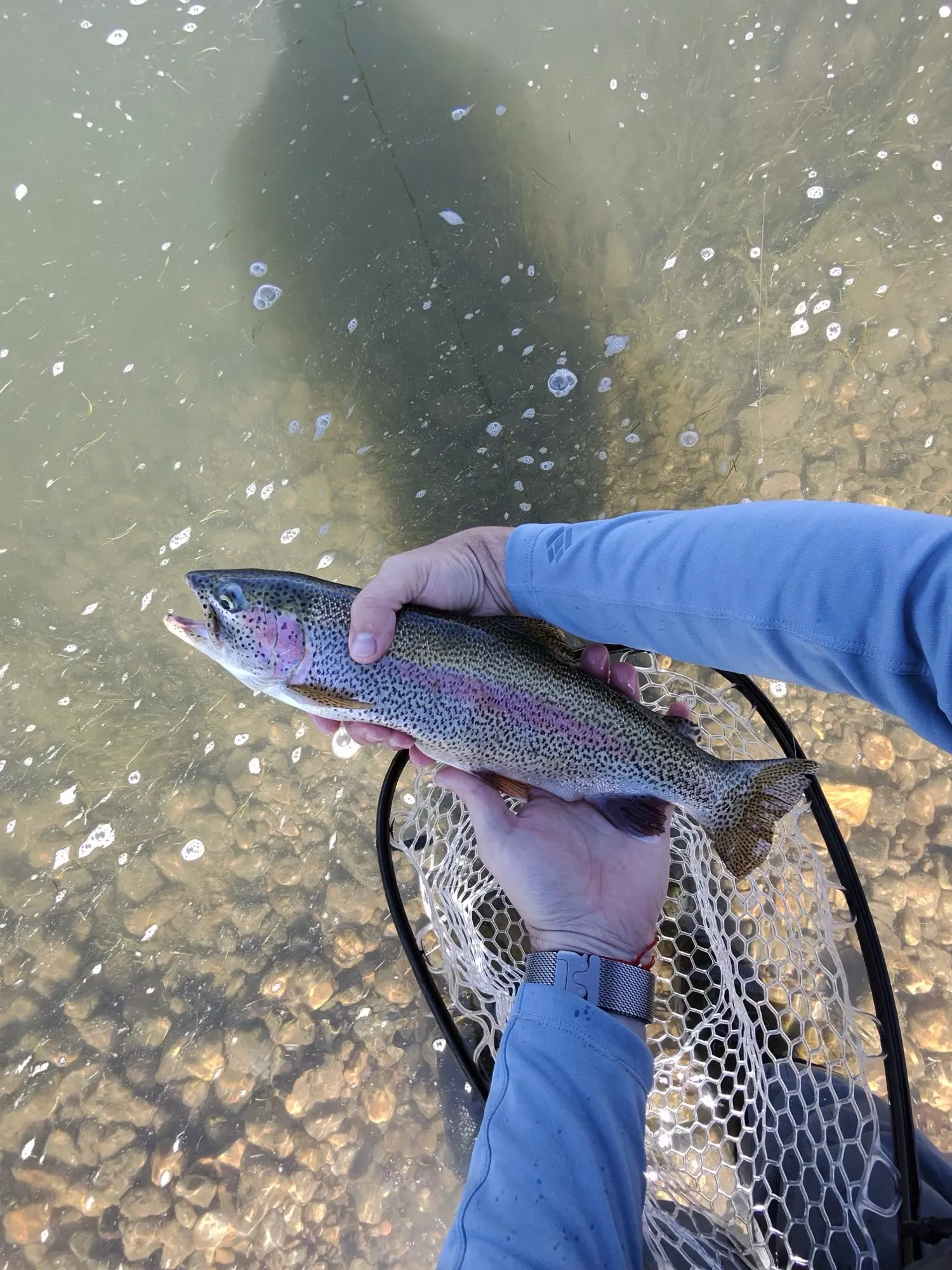
Drift control on a tight line: when to lead the rig and meter the pace, when to follow the current, and how to stay in light contact without towing the flies off the bottom.

Reading water tells you where trout hold; reading the bottom tells you where your flies will tick. Spotting buckets and shelves, then setting weight and tippet to ride the slot.

On a tight line, the sighter isn't a bobber — it's a gauge. Here are the five things my euro sighter reports on the South Platte: contact, angle, depth, speed, and the take.