
In this guide
No fish is worth going through the ice. I’ll say it once, plainly, at the top, because first ice is the most dangerous ice of the year — it’s also the most exciting, which is exactly the problem. The fish are aggressive and the crowds are gone, and that pull gets people onto water that isn’t ready. Here’s how to decide whether to walk out, and what to carry in case you’re wrong.
This is general guidance, not a guarantee — ice is never 100% safe, and no one can tell you a lake is safe from a keyboard. Check current local reports, and when in doubt, don’t.
How thick does the ice need to be?
For thickness, use one source: Colorado Parks and Wildlife’s ice guidelines. They describe new, clear ice only:
| New, clear ice | CPW guidance |
|---|---|
| 2 inches or less | Stay off |
| 4 inches | Can support a person on foot |
| 6 inches | Can support a snowmobile or ATV |
These are what each thickness can support, not a promise that it will. Driving onto the ice isn’t allowed at Colorado’s state parks and wildlife areas; vehicles stay on designated roads, and anglers who drove an SUV onto Tarryall were ticketed for it.
Those numbers are for clean, clear ice. On anything else, take CPW’s own words: “White or gray ice is much weaker. You should only consider traveling on clear, blue ice.” And the numbers mean nothing at all near the hazards below.
Read the ice, not just the calendar
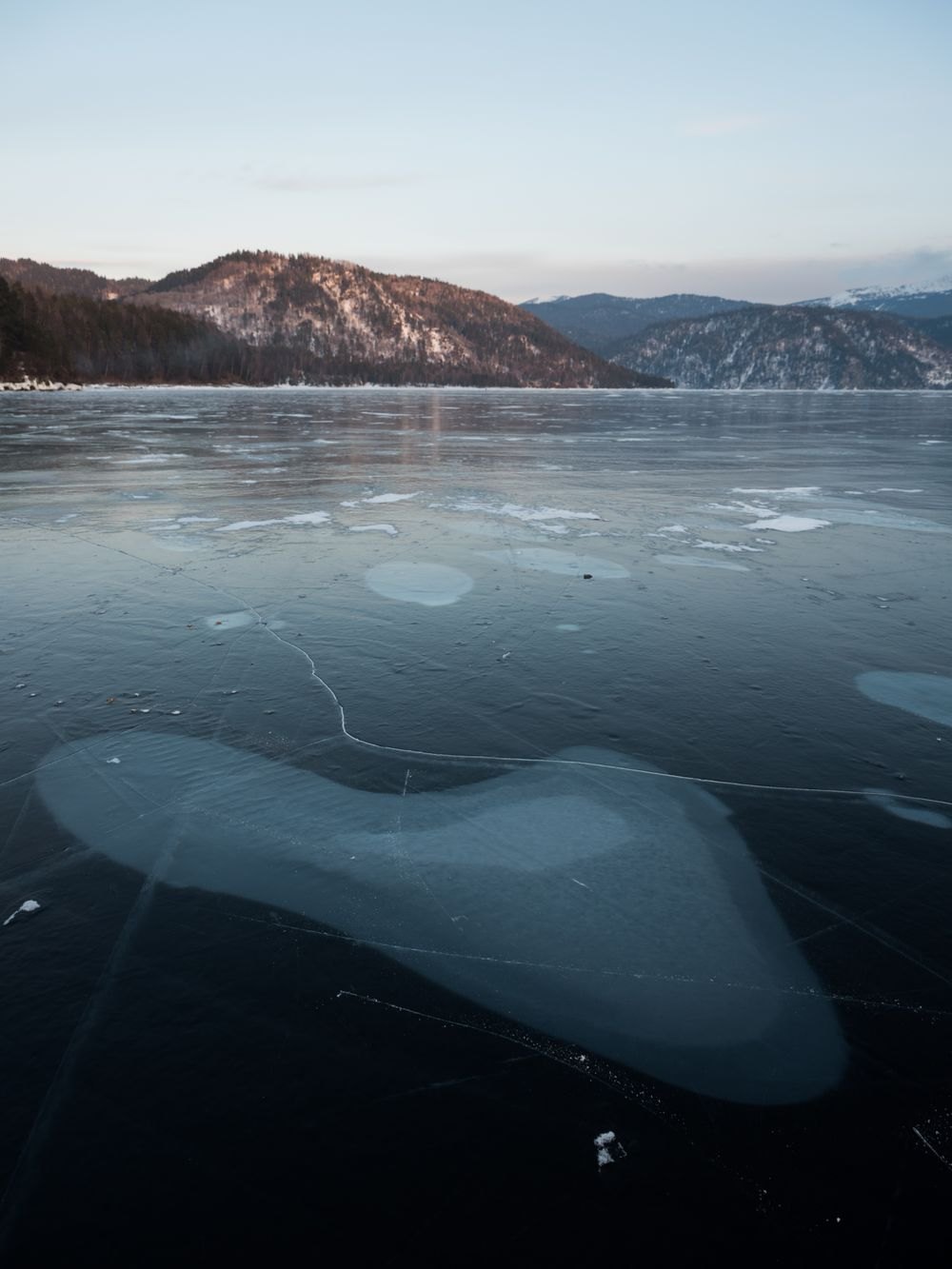
- Clear / black ice is the strong stuff — it’s frozen lake water.
- White / opaque ice is snow that’s frozen on top. CPW calls white or gray ice much weaker and says to travel only on clear, blue ice.
- Honeycombed or “rotten” ice (late season especially) can look thick and have no strength — it turns grayish and matte, and it gives a dull thud instead of a sharp ring when you strike it. Avoid it.
Drill or chisel as you go and check thickness regularly, especially the first holes near shore and any time the look of the ice changes.
The field progression Colorado anglers use on questionable ice, in order: toss a heavy rock out ahead of you to test it, then probe with a spud bar, then drill a test hole and actually measure. Keep drilling fresh test holes as you move, no more than 30 feet apart per CPW, not just once at the bank, because thickness changes across a single lake — two feet thick in one place and an inch a few yards over. If you’re brand new to hard water, learn the basics before you ever step onto marginal ice.
Colorado-specific hazards
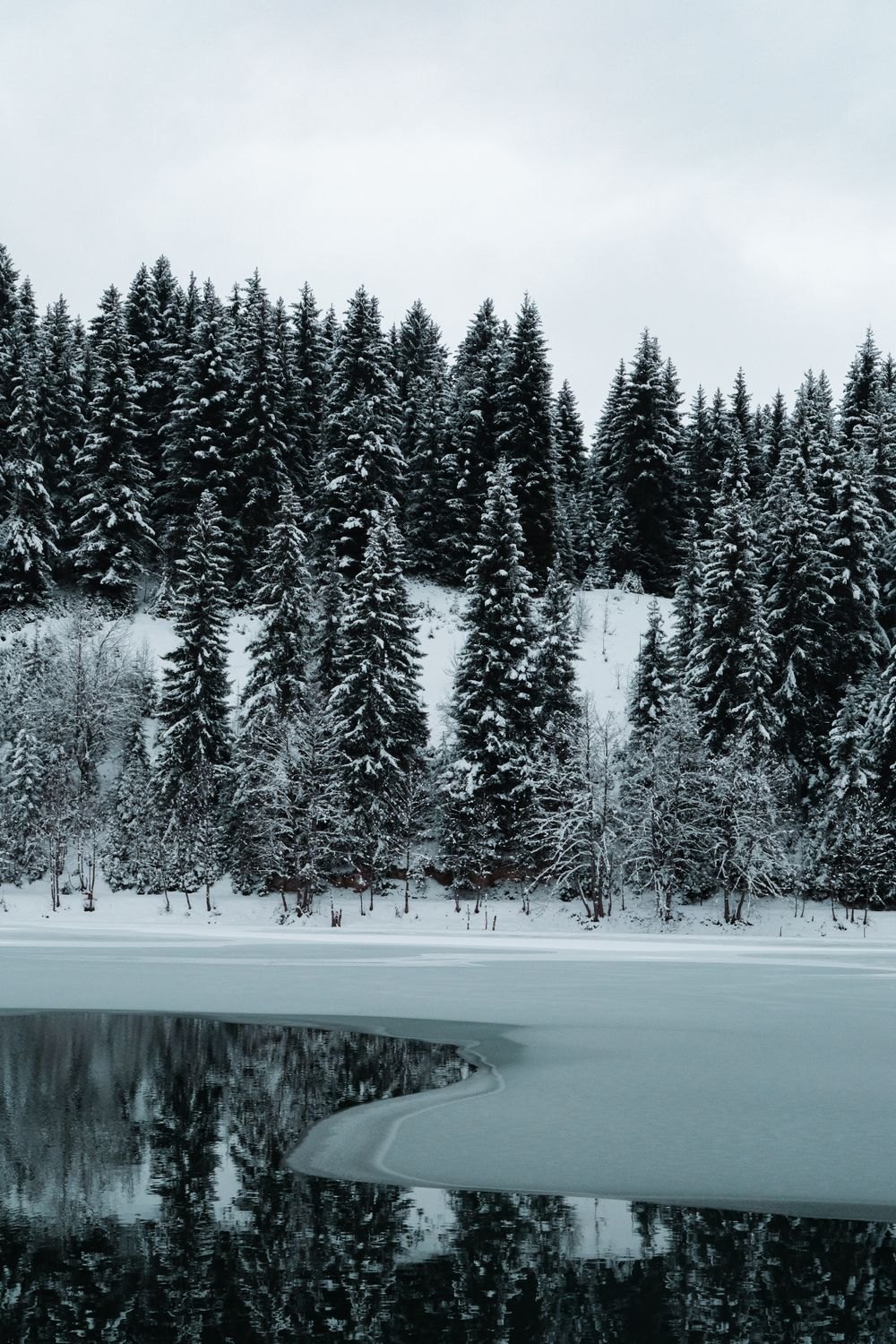
High-country reservoirs are not Midwest farm ponds:
- Inlets, outlets, and springs keep moving water and thin ice — give them a wide berth.
- Fluctuating reservoir levels (Denver Water draws these down) crack and shelf the ice unpredictably.
- Pressure ridges — where sheets meet and buckle — can be open water under a skin of snow.
- Wind and altitude — exposure at 8,000–9,000 feet turns a marginal day dangerous fast.
If you’re still choosing a first-ice destination, lean toward water you already know and have fished in open-water season, so you understand its depth and structure before it freezes.
What to carry, every trip
None of this is exciting, and it’s easy to talk yourself out of packing it on a day that looks fine. Pack it anyway. The list goes in the sled every trip, whether you think you need it or not.
- Ice picks around your neck — the single most important item for self-rescue.
- A spud bar or auger to test ahead of your feet on first ice.
- A throw rope — CPW recommends 50 feet with a loop at each end — kept accessible, not buried in the sled.
- A float/ice-rescue suit or a PFD on questionable early ice; a float suit does double duty, warmth and flotation if you go through.
- Cleats for traction on clear ice, where a fall can injure you before you ever wet a line.
- A charged phone in a chest pocket, and someone onshore who knows your plan.
- A battery CO detector if you fish a heated shelter. Carbon monoxide off a propane heater is odorless and kills anglers every winter — vent low and high, keep the vents clear of snow, and never run a heater while you sleep.
What to do if you go through
If the ice gives, the first few minutes matter more than anything else in this post. Cold-water shock and panic are what get people, not the water itself. The National Weather Service says the gasping and rapid breathing of cold shock “occurs during the first 2-3 minutes or more,” and that loss of muscle control in your arms, legs, hands and feet can be felt within seconds and gets worse the longer you’re in. The gasping is why panic kills, and your hands and arms are losing strength from the moment you go in — so the drill is worth knowing cold:
- Don’t thrash — turn back the way you came. The ice you just walked over held your weight; that’s your most likely exit.
- Get horizontal. Kick your feet up behind you and claw forward onto the ice — don’t try to climb straight up out of the hole.
- Use your picks. This is what they hang around your neck for: drive them in and pull while you kick.
- Roll, don’t stand. Once you’re out, roll away from the hole to spread your weight, then crawl to thicker ice before you get to your feet.
- Then race the cold. Get to the truck, dry layers, and heat immediately — hypothermia is the second danger, and it works fast at altitude.
If it’s your buddy in the water: reach, throw, don’t go. Extend a rope, a spud bar, or a sled from solid ice. A second person in the hole helps no one.
Should you ice fish alone?
I’d rather you didn’t, especially on first or last ice. A buddy a few yards away — spread out, not clustered on one spot — is the difference between a scary swim and a tragedy. If you do go solo, tell someone exactly where you’ll be and when you’ll be back, and carry picks and a rope without exception.
My take
The best ice anglers are almost boringly cautious, and they fish more days than anyone because they never lose a season to a bad decision. Treat first ice like a stranger: test everything, trust nothing, walk out slow, and turn around the moment your gut says no. I’d rather give up a weekend waiting for good ice than a season to one bad call. The fish will still be there at four inches of good black ice.
Common questions about first ice
How thick does ice need to be to walk on? Four inches of new, clear, solid ice is the common minimum for one person on foot — but treat that as a floor, not a target, and only on clear black ice. CPW says white or gray ice is much weaker and to travel only on clear, blue ice, and the number means nothing near inlets, outlets, and pressure ridges.
Is first ice safe to fish? First ice can be the best bite of the year and the most dangerous ice of the year at the same time. It’s only “safe” where you’ve personally measured adequate thickness on clear, solid ice — never based on appearance or a date on the calendar.
What do you do if you fall through the ice? Don’t panic, turn back toward the ice you came from, get horizontal, and use your ice picks to pull yourself out while you kick. Once out, roll away from the hole, crawl to thick ice, and get to warmth fast — hypothermia is the second danger.
Can you ice fish alone in Colorado? You can, but on first and last ice you shouldn’t. If you go solo, carry picks and a throw rope without exception, stay off any ice near inlets and outlets, and tell someone exactly where you’ll be and when you’ll be back.
Next: when the ice is right, here’s where to point the truck — the complete Eleven Mile Reservoir ice guide.