
Arkansas River — Pueblo Tailwater Hatch Report — May 30, 2026
May 30, 2026 hatch report for Arkansas River — Pueblo Tailwater: current flows, what's hatching, and what's working this week on the water.
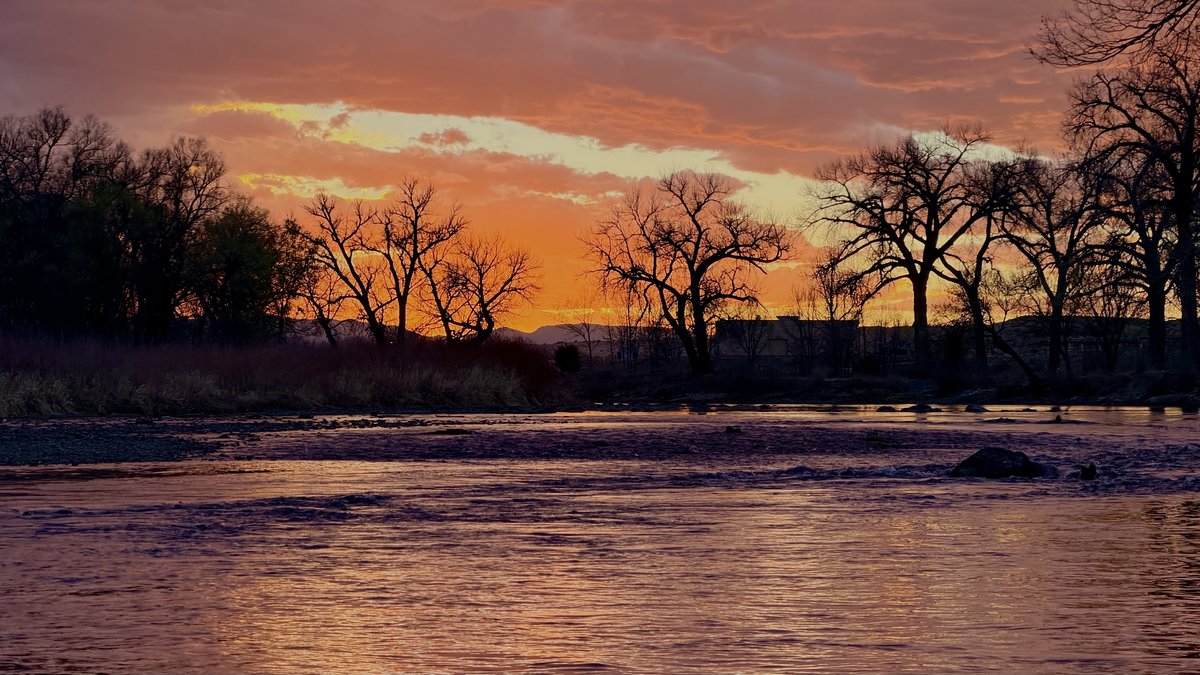
Arkansas River — Pueblo Tailwater | Weekly Hatch Report
The Pueblo tailwater is running 420 CFS right now—solid, fishable water that’s dropping into the sweet spot for late May. At this flow, you’ve got good wade-ability from the lower sections all the way up through Pueblo Nature & Wildlife Area. The water temperature should be pushing into the low 50s by midday, which means insect activity will be consistent and the fish won’t be sluggish. This is the kind of flow where you can actually cover water and make mistakes without the current pushing you around like a pinball. The clarity should be gin—we’re well past the spring runoff window—so your presentation and drift matter more than volume casting.
What’s Hatching
Late May on the Pueblo stretch centers on three solid mayfly emergences and one stalwart caddis.
Pale Morning Duns are the anchor right now. You’re looking at Ephemerella inermis predominantly, with some Ephemerella dorothea mixed in. Fish the dun imitation as your search pattern: PMD Comparadun in size 16-18 or a Parachute PMD in 16 if you want better visibility and floatation. The nymphs are heavy—Pheasant Tail Nymphs in 16-18 or a good Flashback Pheasant Tail will work subsurface. These bugs are coming off inconsistently throughout the day, but you’ll see concentrated activity in the 10 a.m. to noon window and again around 4 p.m.
Blue-winged Olives are present in volume, though not yet the dense clouds you’ll see in fall. Stick with BWO Parachutes in 18-20 or CDC BWO patterns. They’re sporadic during the warmest part of the day but really turn on during the gray-light periods—early morning and evening. A Baetis nymph in 18-20, fished tight to the bottom in seams, will pick up fish when the hatch isn’t obvious on the surface.
Little Yellow Stones (Isoperla and Alloperla species) are in the nymphal stage and starting to move more aggressively as water temps climb. You won’t see a ton of duns yet, but fish are keying on the nymphs. Yellow Stone nymphs in 14-16, fished near structure and the faster edges, earn their place in your box. These are meaty enough to draw aggressive takes.
Hydropsyche caddis (spotted sedges) are beginning their emergence window. Fish the Tan Caddis Pupa in 16 subsurface in the evenings, and have a Caddis Dry in tan or olive, size 16 ready for when adults start flying. The pupa pattern is the most reliable right now—they’re already in the water column in decent numbers.
What flies are working on the Pueblo tailwater right now?
PMDs are the anchor—fish a PMD Comparadun or Parachute PMD in 16-18 up top, with Pheasant Tail Nymphs in 16-18 underneath. Add a Baetis nymph in 18-20 for the BWOs and a Tan Caddis Pupa in 16 for the evening sedge window.
Best Beats
Pueblo Nature & Wildlife Area (The Canyon section)
This stretch gives you drop-offs, undercut banks, and consistent current breaks. The tailwater’s geology here creates natural funnels where mayfly nymphs drift into feeding lanes. Fish the inside bends and the softer water immediately downstream of current deflectors. At 420 CFS, you can actually reach the good water near the outside banks without committing to a risky cross. PMD and BWO nymphs work best in the deeper runs. The canyon also shelters you from wind, which matters on Colorado spring afternoons.
Lake Pueblo Dam face and the first mile below
The water immediately below the dam is faster and more oxygenated, which concentrates fish and intensifies feeding windows. This is your zone for consistent dry fly action, especially during the late morning and late afternoon light. The tailout of the immediate dam pool grades into smooth medium-speed water—ideal for drifting Comparaduns. Fish rise here during hatches because the current speed matches insect emergence windows. Bring your best presentation game because the water is clear and the fish have seen plenty of flies.
The flats around Valco Ponds access
Don’t skip the gentle water near the Valco Ponds parking area. At 420 CFS, the flats are wading-friendly and hold plenty of 12-16 inch fish that aren’t as pressured as the canyon population. Blue-winged Olives and smaller PMD patterns work here in the early morning and evening. The current is slower—ideal for dead-drift nymphing and letting small patterns show themselves. It’s not trophy water, but it’s productive and less crowded than the immediate dam tailout.
Tactics
Leader and Tippet Setup
Start with a 9-foot, 3X tapered leader for dries. Taper down to 4X tippet (5-foot section) for PMD and BWO dries. For nymphs, use 9-foot 2X with 5X tippet—the extra diameter helps with turnover on weighted patterns, and at this flow, the fish aren’t so spooked that 2X is a liability. When you’re switching between dries and nymphs, keep both tippet spools rigged so you’re not fumbling at water’s edge. Retie every 8-10 fish or anytime you’re changing patterns. The Pueblo fish are smart.
Nymph Rigging
Two-fly rigs work. Lead with a weighted Pheasant Tail in 16 or flashback variant, droppered 18 inches above a lighter Baetis nymph in 18-20. Use a surgeon’s knot or a small loop on the bend of the lead fly to attach the dropper. This gives you size variation and lets you cover the water column. Add a small split shot 8-10 inches above the lead fly if the water is deeper than 3 feet. Use tungsten rather than lead—it sinks faster and lets you stay tighter to bottom without additional weight.
Dry Fly Approach
Fish the Comparadun dead-drift first. If you’re not seeing rises, switch to a Parachute pattern for better visibility and easier tracking. When you do see a rise form, mark the exact line and fish it again—the Pueblo fish don’t move laterally far for duns. False cast minimally. These trout see air movement.
Practical Notes
Water Temperature Tracking
At 420 CFS and late May, the water is still cool but warming. Fish deeper in the hottest part of the afternoon (1-4 p.m.) and move to shallow, oxygenated water in the morning and evening. Temperature swings can be 4-5 degrees between 9 a.m. and 3 p.m., which directly impacts hatch timing and feeding intensity.
Pueblo Reservoir Discharge Schedule
The tailwater is managed for power generation, which can shift flows without warning. Check the USGS gauge before you commit to a full day. A 100 CFS rise in mid-afternoon can make wading dangerous and shift fish. If flows spike, move upriver to the slower sections or call it. The Pueblo section is worth a return trip over a soaked drive home.
Headed up there this week? Pair this with the Arkansas River — Pueblo tailwater guide before you go, and check the rest of this week’s hatch reports for where else the bugs are coming off.