
In this guide
Between the morning rise and the evening feed, there’s a window where the South Platte goes quiet. Fish drop off the feed. Risers disappear. If you’re new to tailwaters, this is when you’d pack up and head home, convinced you’ve done something wrong. If you’ve been fishing Deckers for a while, you know better: find a flat rock in the sun, clip a cigar, and wait it out.
I started bringing cigars to the river about a year ago, and I’d love to tell you it was some deliberate piece of streamcraft. It wasn’t. The morning bite died early, the afternoon was hours off, and I was bored and a little annoyed. So I lit one. Then I didn’t put my rod back down until the fish were moving again. Now I can’t imagine a South Platte all-day without one — which is either good stream sense or a very convenient excuse to smoke a cigar. I’ve decided not to think too hard about which.
Why Does the South Platte Go Quiet Midday?
Bright sun and warm, low water. Whatever morning activity you get — a few midges, the odd riser in the cool early hours — fades as the sun climbs and the canyon heats up. The water gets brighter, the fish get spooky, and your catch rate drops fast if you’re still grinding through the same seams.
And the evening — when the light goes flat and the fish slide back to feed — is hours off. That’s a long gap.
I tried fishing through it for years, because stubborn is a personality trait of mine. Indicator nymphing in the deep slots, swinging soft hackles, dredging for fish that weren’t cooperating on either end. Occasionally it works. More often it’s just wearing out your knees for fish that aren’t interested.
A few years in, I finally stopped fighting it.
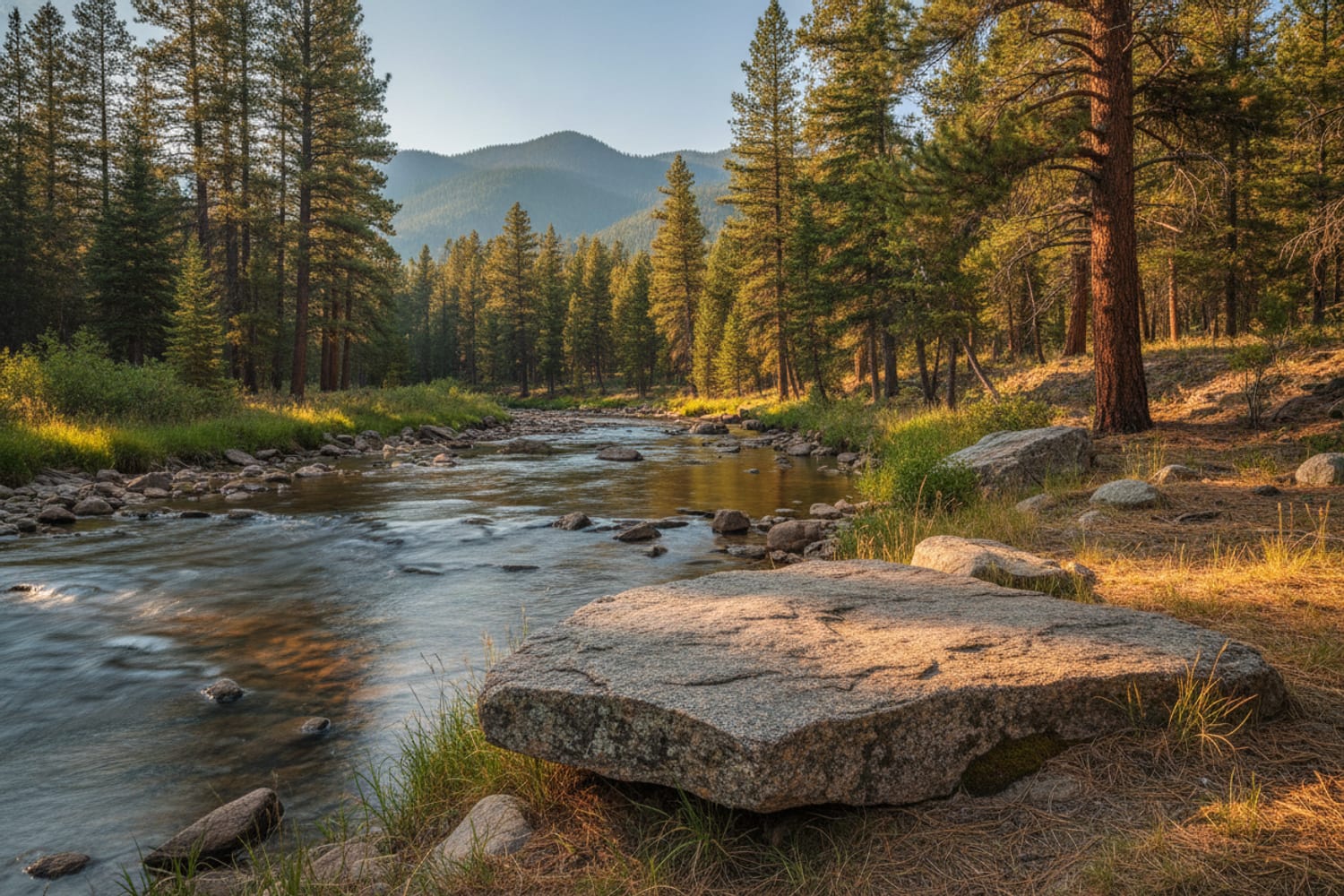
The flat rock below the parking area at Deckers — the one that catches the afternoon sun and has a clean sightline upstream — that’s my spot. I eat lunch there. I watch the water. I light up. About 90% of the time, I start seeing fish before I’m done.
Why Cigars Work on the Water
The obvious answer is that a cigar takes time. You can’t rush one. A good one — properly rested, properly lit — takes 45 minutes to an hour if you’re not racing.
That’s exactly the right amount of time for a midday reset.
It forces you to do something I’m genuinely bad at: sit still and watch. Left to my own devices I’ll cast at empty water for an hour just to feel productive. A river tells you a lot if you’re willing to look at it without a rod in your hand. Where the risers come up first when the hatch restarts. Which seam the fish drop into when they’re off the feed. Whether the wind is going to make the afternoon difficult.
I’ve learned more about Deckers in those afternoon sits than I ever did wading through it blind.
What to Bring
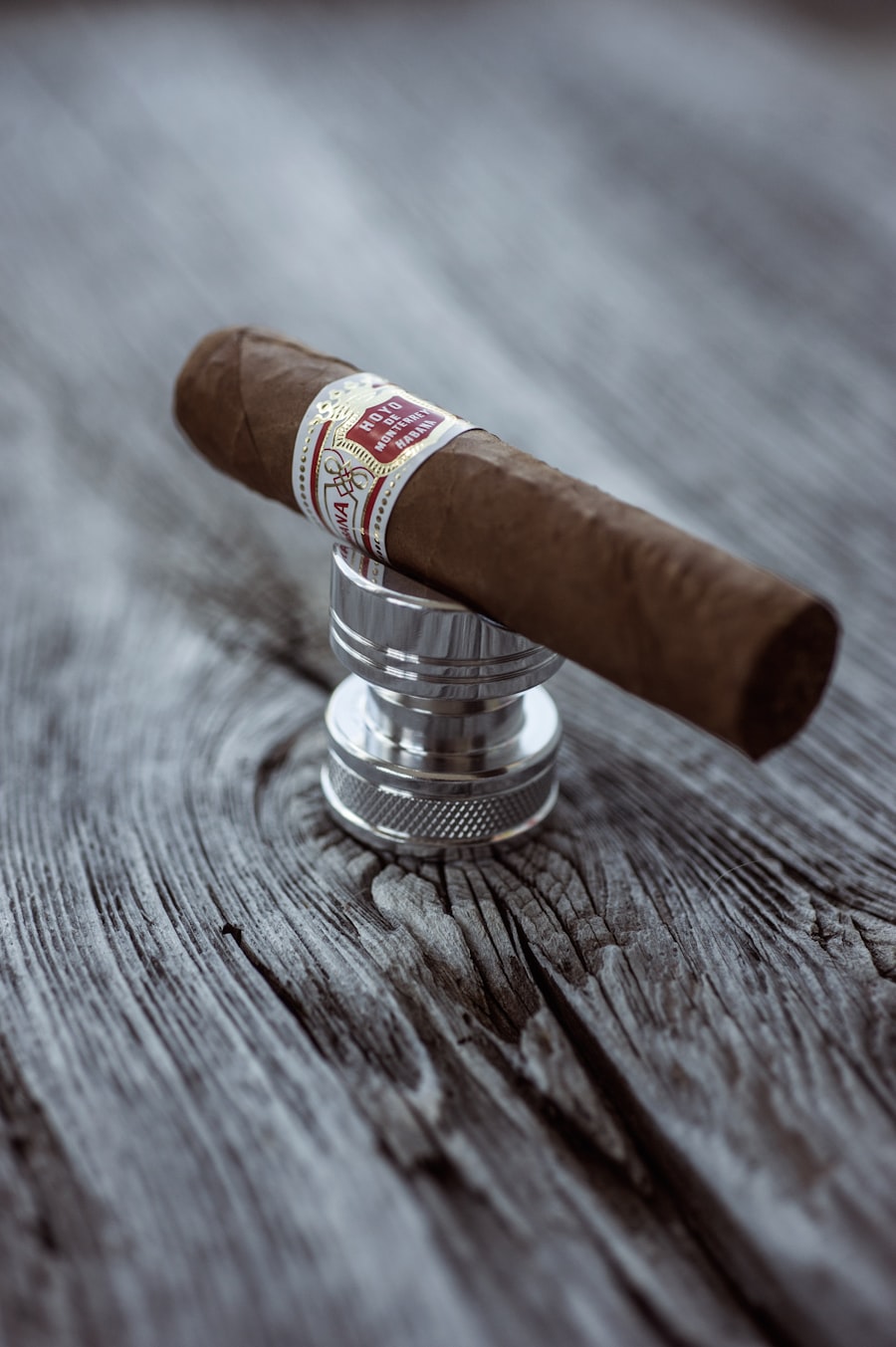
I smoke Montecristo. No, I haven’t tried every cigar on earth to arrive at this — I found one I liked and stopped looking, which is roughly how I make most of my decisions. The No. 2 is what I reach for on a fishing day — a torpedo that runs 45 to 50 minutes, draws easy, and doesn’t demand anything from you while you’re watching the water. It’s a Cuban classic for a reason.
Montecristo is medium-bodied, smooth, consistent. Not so light that you feel like you’re smoking nothing, not so heavy that it flattens you by the time the evening fishing picks back up. That balance is exactly right when you’re sitting in the sun waiting for fish to move.
Whatever you smoke: keep it proportional to the setting. A big, heavy smoke in a canyon feels wrong. Something that takes its time and doesn’t demand anything from you is right.
Length matters too. A robusto or corona runs 40–50 minutes, which is about perfect. A Churchill is too long — you’ll either rush it or miss the hatch restart. Short smokes under 30 minutes don’t give you enough time to actually decompress.
The Practical Stuff
Don’t leave butts on the bank. Pack them out the same way you pack out tippet scraps. The South Platte gets enough pressure — it doesn’t need cigar debris in the riparian zone.
Smoke downwind of anyone you’re fishing with. Better yet, step away entirely. Not everyone wants to share air with your cigar, and in a canyon where the wind swirls, you can’t always control where the smoke goes.
If you’re on technical water and fish are still showing, wait until you’re off them. You don’t want to be threading a size 22 midge with smoke in your eyes. Find a stretch of bank, sit down, and come back fresh.
The Rest of the Day
There’s something that happens after a good midday sit that I can’t entirely explain. The afternoon fishing almost always feels better. Whether it’s the rest, the reset, or just that the light is better and the fish have settled — I don’t know. Could be confirmation bias. I’m a guy holding a cigar, telling you the cigar works.
But my best fish at Deckers are almost never before noon.
The cigar doesn’t catch them. The sitting still and paying attention that comes with it — that might. The cigar just makes sure I actually do it.
→ South Platte hatch calendar — what’s hatching and when · Deckers fly fishing guide · My rod quiver — six rods for six jobs