
Arkansas River — Pueblo Tailwater Hatch Report — May 23, 2026
May 23, 2026 hatch report for Arkansas River — Pueblo Tailwater: current flows, what's hatching, and what's working this week on the water.
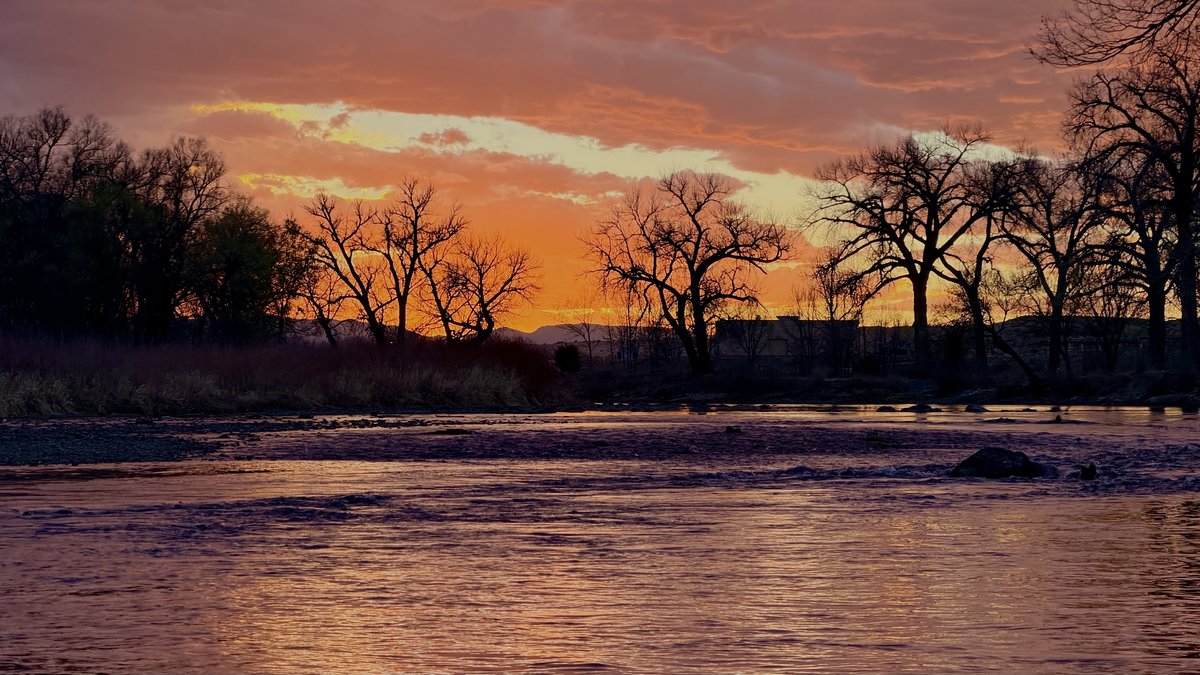
The Pueblo Tailwater is running 267 CFS—solid, stable, and exactly where you want it for late May. This flow sits right in the sweet spot: high enough to push fish away from the banks and into the main channels where they’re feeding aggressively, but low enough that you can still wade the inside seams and mid-river structure without getting pushed downstream. At this level, the Arkansas has shed most of its spring runoff temperament. Water clarity is good—not gin-clear, but you can see 18 inches down in most runs. This is prime feeding window water.
What’s Hatching
May on this tailwater means the Baetis hatch is winding down, but don’t sleep on it yet. You’ll see Blue-Winged Olives (#18–#20) coming off sporadically, mostly between 10 a.m. and noon on overcast days. The reliable play is still a BWO Sparkle Dun in size 18 or a Parachute Adams 18–20. Fish these as your indicator pattern if you’re not seeing rises; plenty of trout are eating them subsurface.
The real story right now is the Caddisfly emergence. Tan caddis (likely Hydropsyche species) are hatching consistently in the afternoons—3 p.m. through dusk. Fish a Tan Elk Hair Caddis #16 or a Stimulator #16 if you want something burlier. If you’re seeing splashy rises in the softer water, you’re looking at caddis. These aren’t dainty insects; fish will chase them, so don’t be afraid to twitch your dry or skitter it slightly.
Below the surface, the nymph game is solid. Caddis pupae in #16–#18 (Tan Caddis Pupa or a simple Tan Pheasant Tail) will catch fish all day long. The Arkansas also still has decent Baetis nymph activity, so a #20 Baetis Nymph in the thin, fast water is a respectable second dropper.
Aquatic worms are always present in tailwater systems, and the Pueblo is no exception. A small #18–#20 San Juan Worm in tan or red fished deep in the faster pockets will pick up fish that aren’t responding to traditional patterns. Don’t overlook this tool.
What flies are working on the Pueblo tailwater right now?
Tan caddis are the headline—a Tan Elk Hair Caddis or Stimulator in #16 for the afternoon emergence, with caddis pupae #16–#18 doing the work subsurface all day. Keep a BWO Sparkle Dun or Parachute Adams 18–20 for the morning Baetis, and a #18–#20 San Juan Worm for fish that won’t commit.
Best Beats
The Runyon Bridge stretch (roughly mile 2–3 below the dam) is the workhorse. The current structure here—a mix of fast current breaking against moderate-depth pools—creates natural feeding lanes. Caddis are holding in the faster water, and at 267 CFS, this water is manageable. Work the inside seams with a dropper rig and you’ll contact fish throughout the day. The softer water on the river-left bank is where your dry-fly action will happen, especially late in the afternoon.
Mineral Palace Park and the associated public access downstream offers a different vibe. The water here is slightly slower and more uniform, which means the fish are more dispersed but also more predictable. This is excellent ground for tight-line nymphing. The runs are longer, and you can cover serious water if you’re efficient with your casts. Caddis pupae excel here because the slower current allows fish to examine your fly without fleeing.
The Swallows section (access via the lower park areas) has been underrated lately. The pocket water here—small boulders creating defined holding zones—compresses fish into specific lies. At 267 CFS, this water isn’t too pushy, and you can actually fish the soft edges behind rocks with a short cast. This section produces because fewer anglers work it compared to the upper stretches.
Tactics
Leader setup: 9-foot tapered leader to 4X tippet as your baseline for dries. If you’re nymphing, 7.5-foot leader with 5X tippet is fine for subsurface work. The water clarity doesn’t demand finesse; these fish are feeding, not spooky.
Ripper rig: Two droppers are workable in this flow. Tie a #16 Tan Caddis Pupa as your point fly, then add a dropper 18 inches up with a #18 Baetis Nymph. Add small split shot (1–2 BB) about 12 inches above your droppers to keep the rig in the zone without sinking too aggressively. This setup works across the mid-column and on the bottom without constant snagging.
Dry-dropper: If you’re committed to dries, fish a #16 Elk Hair Caddis as your indicator with a #18 Caddis Pupa or #20 Baetis Nymph on a 18-inch dropper below it. This covers surface feeders and subsurface fish simultaneously.
Mend aggressively. Fast water requires upstream mends to extend your drift and prevent drag.
Practical Notes
Parking fills early. Get to Runyon Bridge or Mineral Palace by mid-morning if you want a guaranteed spot. The Pueblo tailwater is increasingly popular, and weekday mornings are your best bet for elbowroom.
Water temperature: At this flow and time of year, you’re likely seeing water temps in the 48–52°F range. Fish are active but not aggressive. Don’t rush your presentations; give them time to eat.
If you want the full breakdown of this stretch—access, seasons, and how it fishes year-round—see the Arkansas River Pueblo tailwater guide. And I’ll have a fresh read next week.