
In this guide
Spinney Mountain Reservoir is one of those Colorado fisheries that most front-range anglers know about but haven’t fished — it lives on the someday list, right next to the rod I keep telling myself I don’t need. It’s an hour past Deckers, sits at 8,700 feet in the middle of South Park, and holds trout in a size class that isn’t available anywhere on the river system. When I want to chase a 24-inch rainbow on the fly, Spinney is where I go — and yes, I’ll happily get blown sideways across a reservoir for the chance.
The short answer
Spinney Mountain Reservoir is a Gold Medal trophy stillwater in South Park — 8,700 feet, about 2,500 surface acres — that you fish from a float tube or pontoon, not the bank, working the shallow 5–15-foot flats with damsel nymphs, midge and chironomid pupa, scuds, Trico spinners, and leeches, where a 24-inch rainbow is a realistic target. It’s flies and lures only with a one-trout, 20-inch-minimum limit, and it’s closed through the winter until after ice-off, so fish it late May–June or September, be on the water by 7 AM, and bring a wind plan. Everything below is the how — but that’s the recipe if you just came for it.
How do you fish Spinney Mountain Reservoir?
From a float tube or pontoon, not the bank. Spinney is a Gold Medal stillwater managed for trophy trout, and the fish cruise the shallow 5–15-foot flats — you cover water with leeches, Callibaetis, midge pupa, and small streamers on a slow retrieve or under an indicator. Watch the calendar: it’s flies and lures only, one trout 20 inches or longer, and it stays closed through the winter until after ice-off (no ice fishing). Check CPW for the current rules and opening date. And bring a wind plan — South Park will move you around.
What Spinney Is
Spinney Mountain Reservoir is a Colorado Parks & Wildlife Gold Medal fishery managed specifically for trophy trout. The reservoir sits at the upstream end of the Dream Stream section — the South Platte connects Spinney to Eleven Mile Reservoir downstream. Fish from the reservoir move in and out of the Dream Stream, and the biggest fish in the Dream Stream system spend time in both.
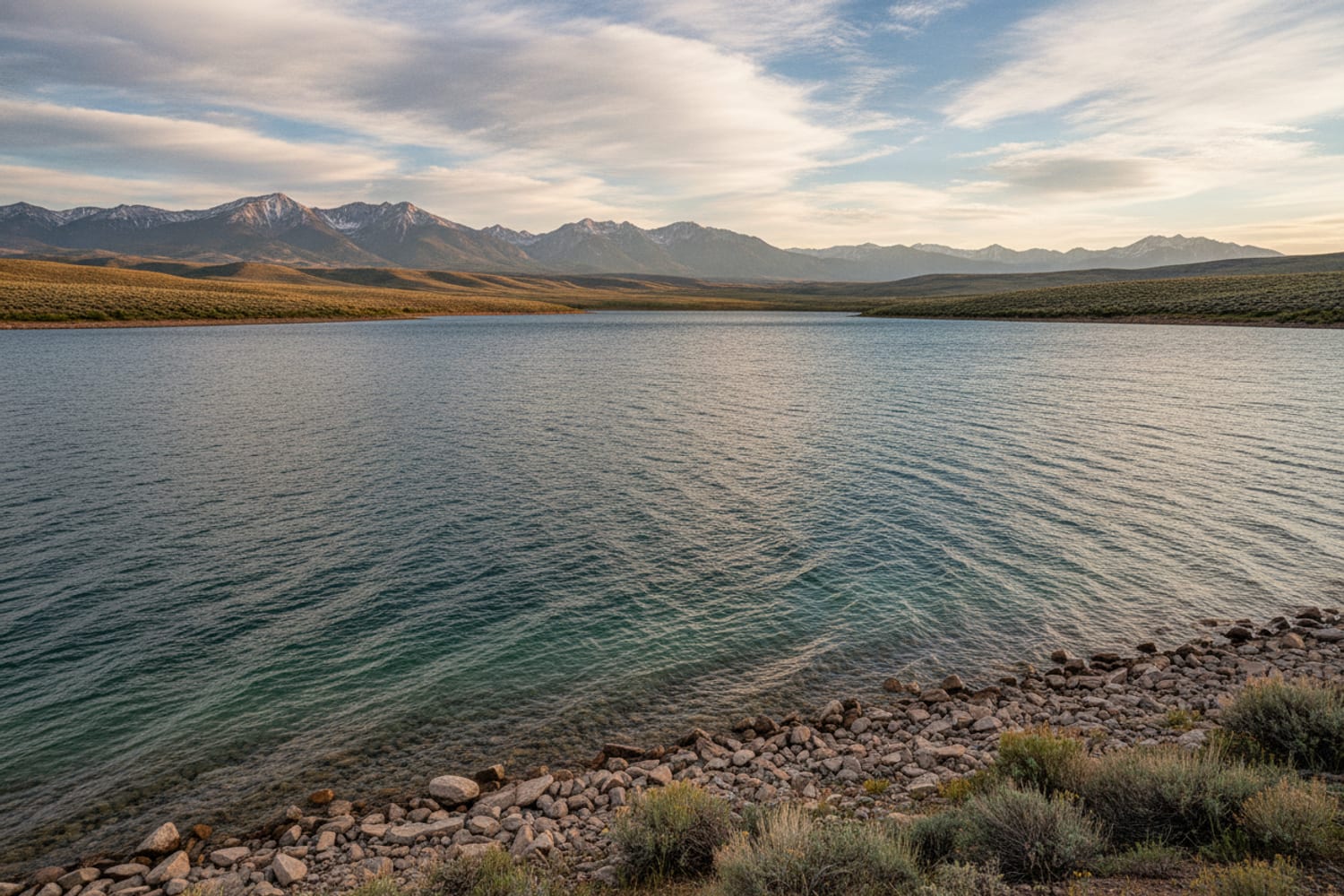
The reservoir covers about 2,500 surface acres at full pool. It’s shallow by reservoir standards — most of the productive fishable water is 5–15 feet deep, which makes it manageable from a float tube or pontoon boat without specialized deep-water gear.
Regulations: flies and lures only, with a one-fish limit at 20 inches or longer (all others released); the strict catch-and-release water is the Dream Stream below the dam (check current CPW regs). The reservoir is closed through the winter and opens after ice-off each spring; there is no ice fishing. Check CPW before planning a trip, as Spinney’s open season changes.
Float Tube and Pontoon Access
First thing to get straight: you need something to float on. Spinney is not a wade-in fishery for most of its productive water — the edges are shallow and silted, the fish are often in 8–12 feet of water over the flats, and covering water by foot is impractical given the size of the reservoir. Walk the bank all day and you’ll mostly get a tan.
A float tube works fine but the South Park wind creates challenging conditions for tube fishing — you can get pushed far from where you want to be very quickly. A one- or two-person pontoon boat with oars is a significantly better platform for Spinney. You can anchor, manage wind drift, and cover the productive flats methodically.
There’s a boat ramp at the main access point off County Road 59. Non-motorized and electric motor boats are permitted. No gas engines.
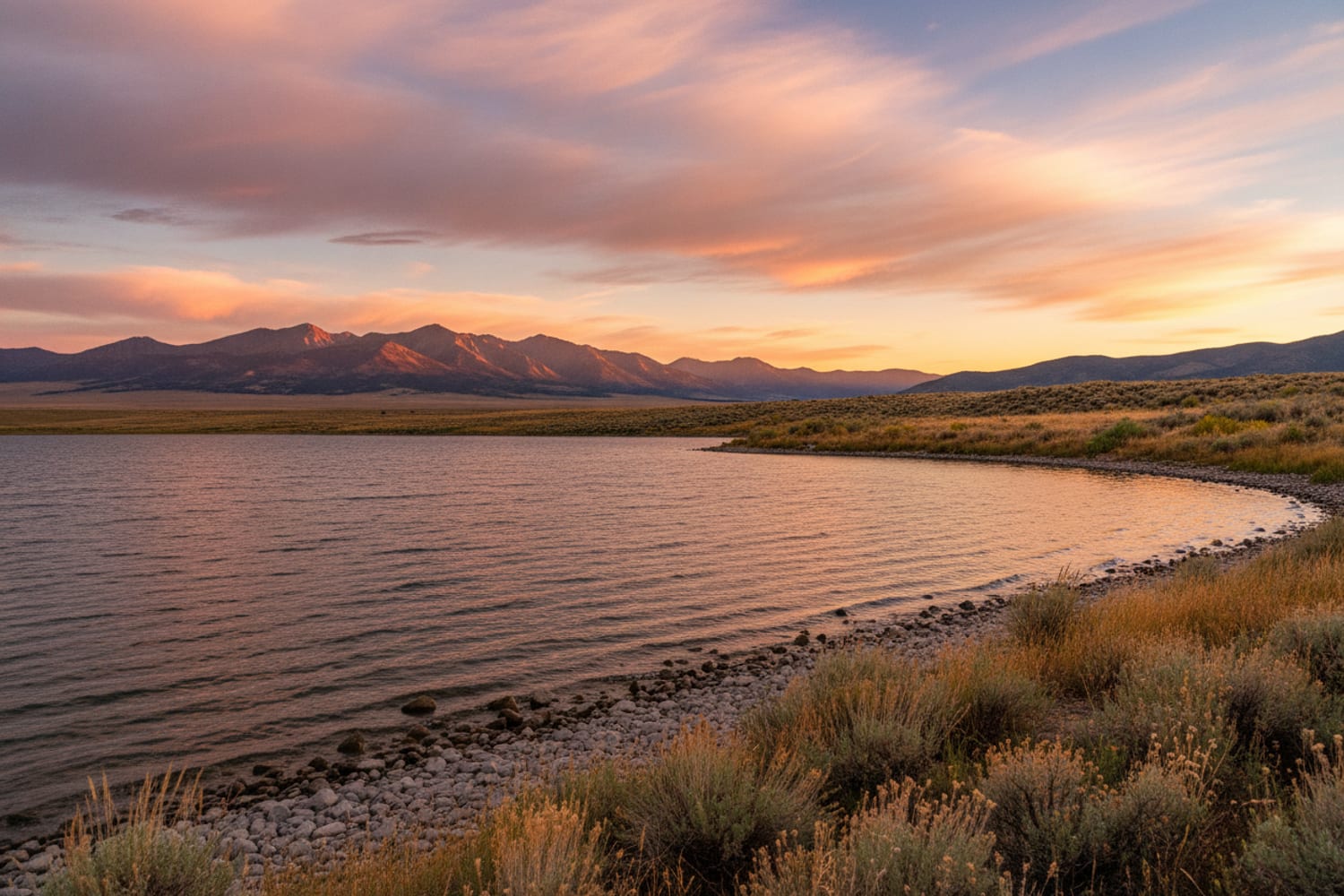
Wind at Spinney: South Park is one of the windiest places in Colorado. Morning fishing is often calm; afternoons are frequently brutal. Plan to be on the water by 7 AM, fish hard through noon, and be off the water before 2 PM on windy days. The flip side is that overcast, windy days often produce the best hatches and the most active fish.
When to Fish Spinney
Late May through June: The best window. After the reservoir opens from spring closure, fish are active, the midge and damselfly hatches start, and water temperatures are optimal. The crowds haven’t arrived yet.
September through early October: The second good window. Temperatures cool, wind is often calmer than midsummer, and big fish go on a pre-winter feed. Fall afternoons on Spinney with Trico spinners can be exceptional.
July–August: Fishable but harder. Algae blooms reduce water clarity, wind is relentless, and boat pressure increases on weekends. Not the best time to plan a first Spinney trip.
Flies for Spinney
Stillwater fly fishing is a different discipline than river fishing, and it humbles river anglers fast — myself included, the first few trips. The takes are subtle, the presentations are often slow-stripped or hand-twisted, and the fish are covering large distances hunting for food rather than holding in a defined current seam.
Damselfly nymphs (size 10–12): The most productive Spinney pattern from late May through July. Fish move aggressively for damsel nymphs in the weed beds and over the flats. A size 10 or 12 olive damsel nymph on a floating line, retrieved with a hand-twist or slow 2-inch strip near weed edges, is the baseline Spinney setup.
Midge clusters and chironomid pupae (size 16–20): Midges hatch year-round and are the consistent food source when damsels aren’t active. A chironomid pupa suspended under an indicator at the right depth — just off the bottom or at the level of weed tops — catches fish throughout the season. The challenge is finding the right depth, which requires experimenting. Start at 6 feet and adjust.
Scuds (size 14–16): Olive and gray scuds live in Spinney’s weed beds and are a staple food source. A beadhead scud fished on a slow hand-twist retrieve over the flats imitates the natural scud movement convincingly.
Trico spinners (size 20–22): In late summer and fall, Trico spinner falls bring fish to the surface in a reliable morning window. 7–9 AM during Trico season, look for subtle rises in calm water. A Trico spinner pattern on 7X tippet to rising fish is some of the most technical dry-fly fishing Colorado offers.
Leeches (size 6–8): For targeting the largest fish, a black or olive leech pattern on an intermediate sinking line retrieved slowly along the bottom is the trophy-trout approach. Early morning and late evening are the best leech windows.
My take
What finally made Spinney click was admitting my river instincts were the problem. I kept hunting seams that aren’t there and recasting the second nothing happened — out here the fish are doing the moving, and the game is patience, not coverage. So my first-trip verdict: pick one fly you believe in, work a depth methodically, and slow the retrieve until it feels unreasonable — then slow it down again. The mornings I’ve fished that way are the mornings the rod bends. The mornings I fished it like a wide spot in the river, I mostly practiced casting.
The Trophy Fish Reality
Spinney holds fish that don’t exist in the river system. A 24-inch rainbow is a realistic target at Spinney, and a 20-inch fish is common — 28-inch fish exist here, but they’re the exception, not what you should plan your day around. These are reservoir-fat, healthy trout on a good food base — they fight differently than river fish, running long and deep rather than the acrobatic jumps of a river rainbow.
Be prepared for takes that feel different from river fishing. A Spinney fish often picks up a fly and moves slowly with it — you feel weight before the fish reacts. Set with a strip-strike rather than a rod lift. A rod-lift strike on a slow stillwater take often takes the fly out of the fish’s mouth before it can close on it.
Getting There
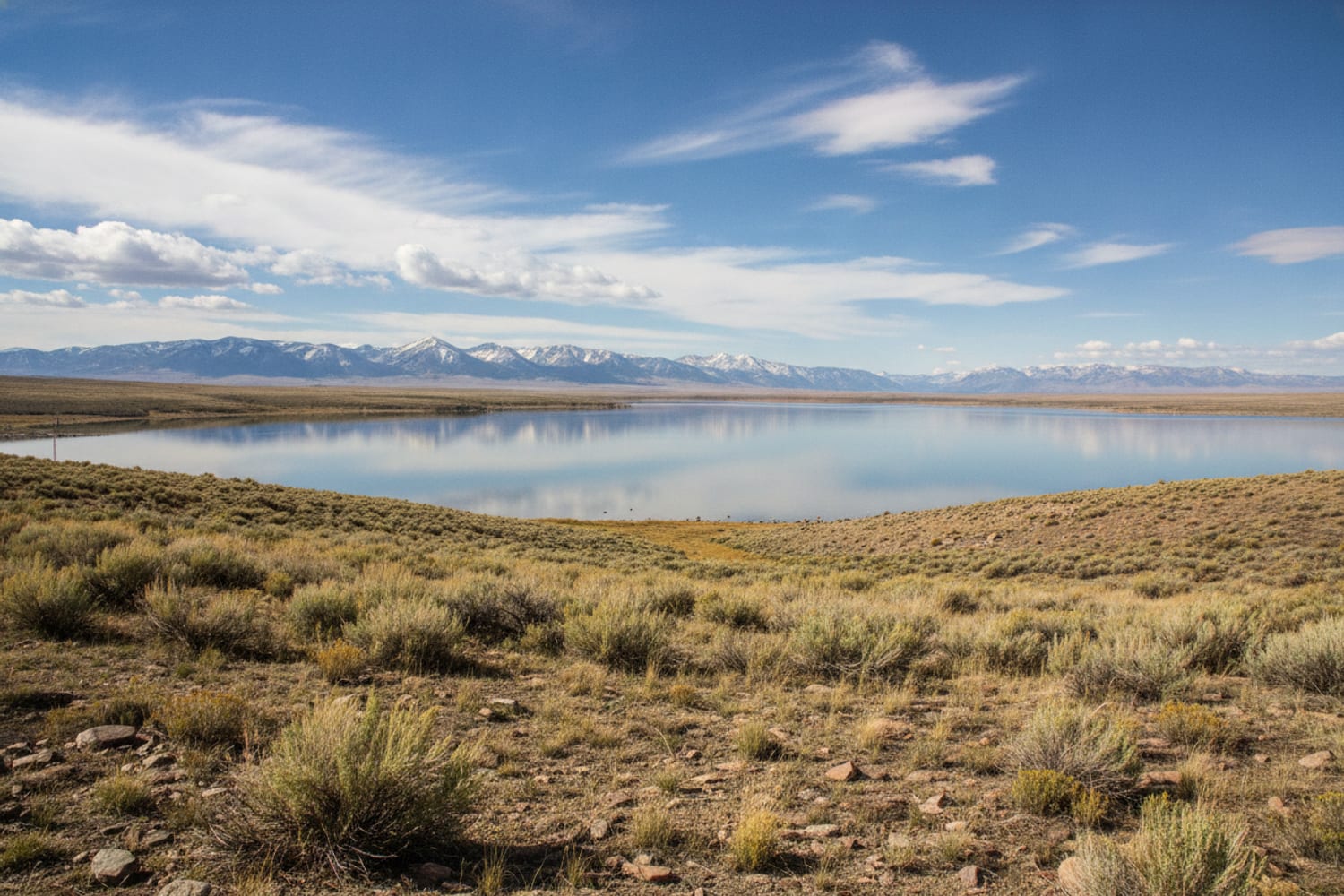
Spinney Mountain Reservoir is about 90 minutes from Colorado Springs via US-24 west to Hartsel, then south on County Road 59. The reservoir is well-signed. Parking and access are managed by CPW; a day fee or annual parks pass covers access.
The combination of Spinney and the Dream Stream in one trip makes for a full Colorado fly fishing day — morning at Spinney for the stillwater experience, afternoon on the Dream Stream for river fishing. Both are world-class fisheries within a mile of each other. The South Platte hatch calendar shows how the Dream Stream’s hatch timing compares to the downstream sections — useful for planning which day to fish each water. If Trico fishing is drawing you to this area in summer, the South Platte Trico hatch guide covers the Dream Stream flat in detail.
Get on the water early, respect the wind, and bring more patience than you think you need — stillwater rewards the angler who slows down. Spinney won’t hand you a 24-inch rainbow, but it’ll give you a real shot at one. Some days that’s all you can ask for, and most days it’s more than enough to get me back in the truck before dawn.