
In this guide
I didn’t wet wade for years. Waders seemed like the obvious choice—protection, warmth, staying dry, and a small fortune already spent. But on the right day, with the right water, leaving the waders in the truck is the better call. Took me an embarrassingly long time to figure that out.
Most anglers don’t think about it that way. They default to waders because that’s what you do. I used to be one of them — sweating through a July afternoon, convinced I was doing it right.
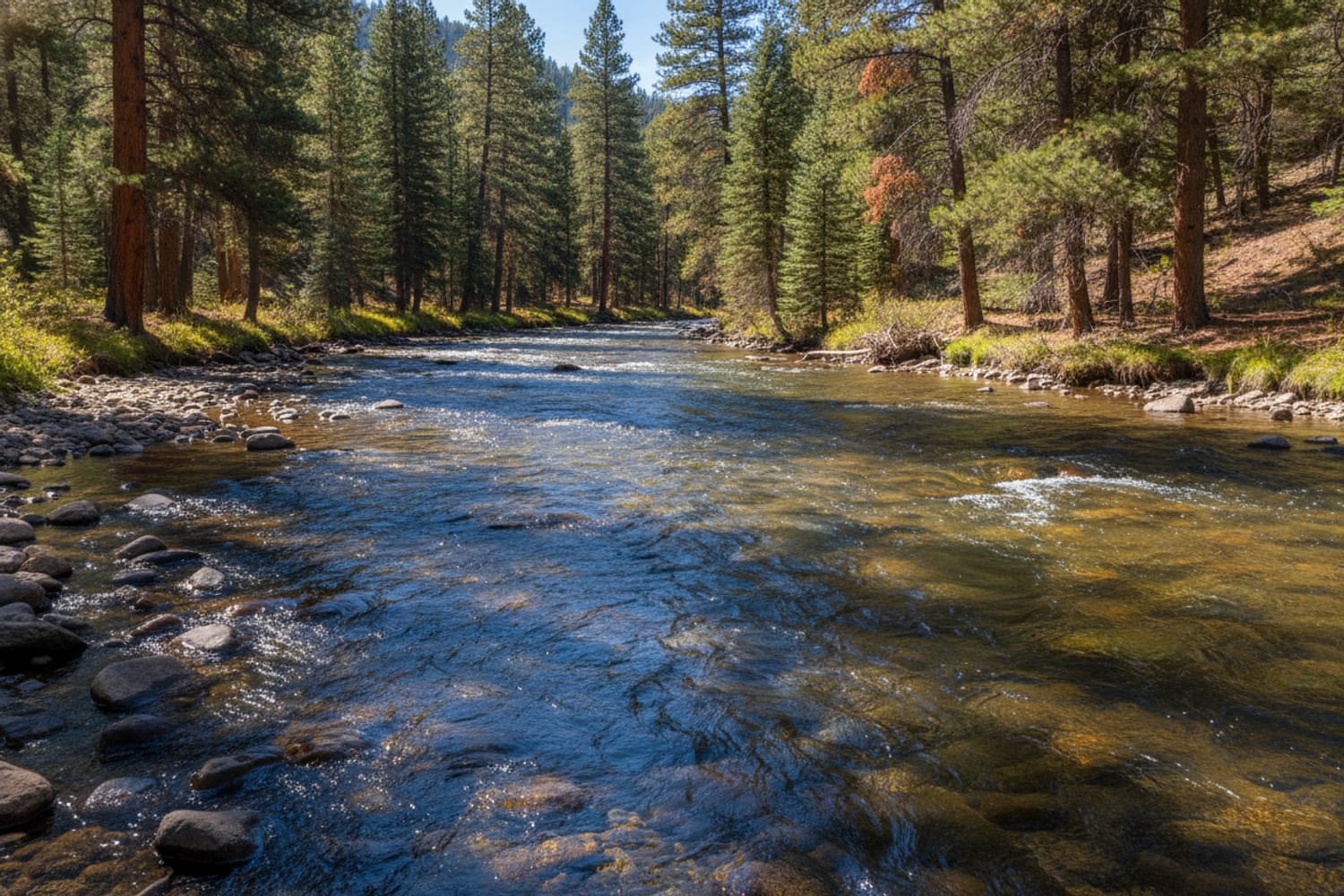
When to wet wade instead of wearing waders
Wet wade the South Platte when the water runs about 45–55°F with sun on it — Deckers from late May through September, the Dream Stream in July and August. My setup is quick-dry shorts, a long-sleeve technical sun shirt, neoprene booties over regular socks, and rubber-soled wading boots, plus the Backcountry Skinz AirBlitz neoprene leggings ($148) under the shorts on cold mornings. Below 45°F, in April, on Cheesman or Eleven Mile in early season, or the Arkansas near Pueblo when it’s still cold, skip it and pull on the Skwalas. Everything below is the why and the where — but that’s the call in a nutshell.
When Waders Become Dead Weight
The South Platte in summer doesn’t demand waders. Water temperatures at Deckers run 45–55°F in June and July. That’s cold enough to respect, warm enough to wade without hypothermia risk on a sunny day.
My real problem with waders in summer is simpler: I sweat in them. Like a glassblower. Once the air temp climbs into the 70s and 80s and the sun comes out, even breathable waders turn into a sauna. By midday I’m hotter inside the waders than I’d be if I just got wet. That’s not gear failure — that’s physics. Waders are designed to keep cold water out, not to keep your legs cool.
The secondary benefit is movement. Waders dull your tactile feedback through the neoprene. Your legs feel isolated from the current. Wet wading forces you to read water more carefully because your body is directly touching it. You feel temperature changes. You sense obstacles. You move with intention instead of plodding.
This matters on technical water. At Dream Stream, where euro nymphing with the Diamondback demands precision and constant adjustment, wet wading lets me move the way the fishing needs me to move. My feet find rocks quicker. My drift adjusts faster. I’m not fighting the bulk of neoprene.
The Setup
I wear:
- Shorts (synthetic, quick-dry)
- Long-sleeve technical sun shirt (sun protection, quick-dry)
- Neoprene booties (because Deckers rocks are sharp and slime-covered)
- Regular socks inside the booties (sounds dumb, works great)
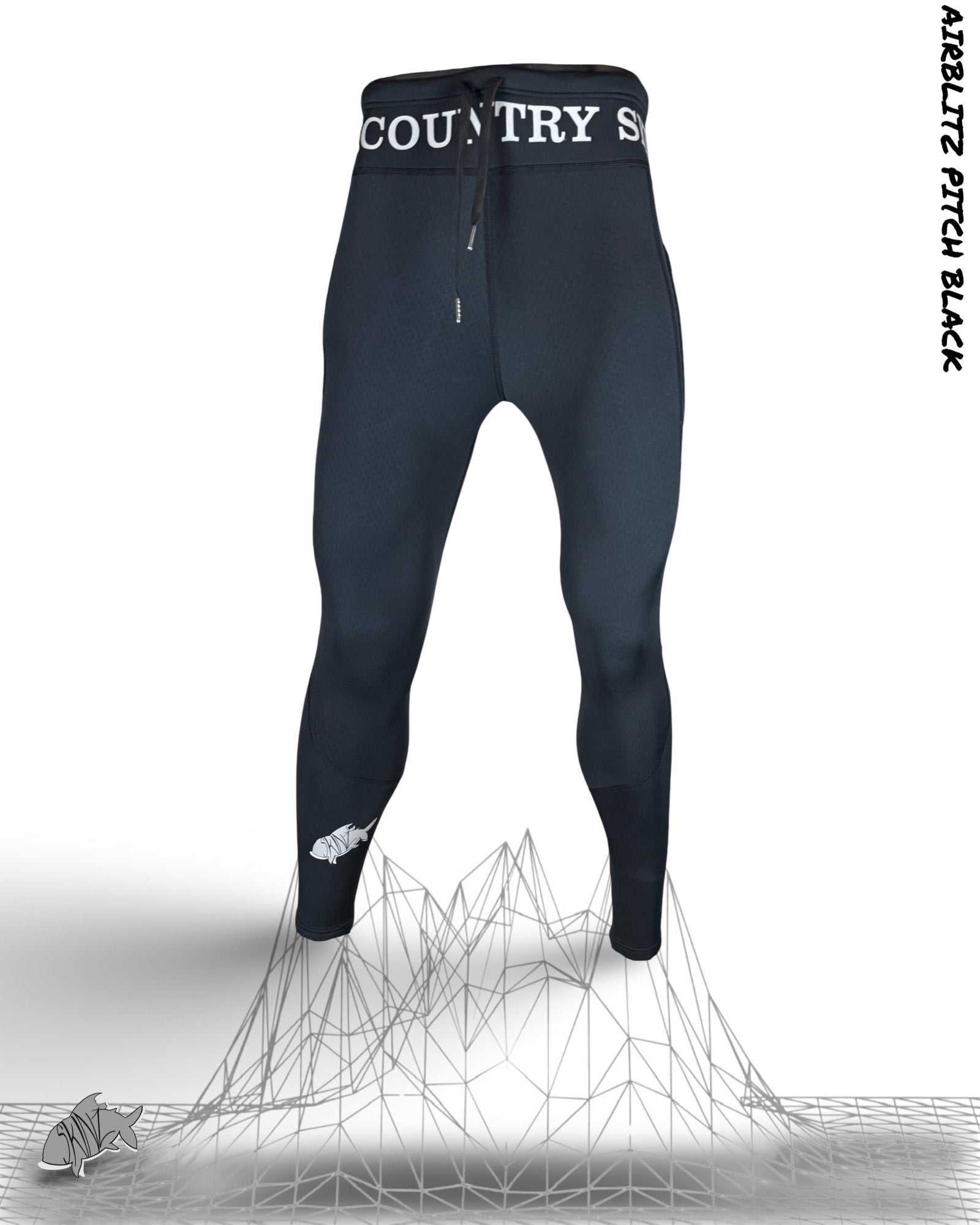
When the water’s cold but I still want to stay light, I add the Backcountry Skinz AirBlitz neoprene leggings under my shorts ($148). Four-way stretch perforated neoprene with a built-in nylon liner — they drain fast, move with you, and add meaningful warmth without the bulk of full waders. The perforations are the key. Regular neoprene traps water and weighs you down; these breathe and flush as you move. I use them at Deckers in May when the snowmelt is still pushing cold water through, and on the Dream Stream in the early morning before the valley warms up.
Know your water temperature before you commit. The Arkansas near Pueblo in April still demands more protection than bare legs — that’s where I reach for full waders, not leggings.
Footwear matters more than people think. Cheap wading boots don’t transition to wet wading well — you want solid ankle support and aggressive rubber soles. I run rubber soles for wet wading. The neoprene bootie keeps your foot from sliding inside the boot while you’re dealing with wet socks.
You’ll Still Get Cold
Let’s be honest: you will get cold. Not hypothermia cold on a June morning. Uncomfortable cold. The kind of cold that makes you miserable after three hours and a little grumpy on the drive home. This is why I don’t wet wade in April. This is why I don’t wet wade when water temps dip below 45°F.
The trick is knowing your limit — and it mostly comes down to water temp and sun. A cloudy day in 50°F water, I’m good for a few hours. Add sun and I’ll stay out longer; drop the temp five degrees and I’m packing the Skwalas.
You also can’t fish as late into the season. October streamers on the South Platte demand waders. The water’s too cold. Your legs will shut down. Respect that. My Redington Vice and Lamson Liquid S come out in October for a reason.
What Wet Wading Teaches You
The biggest advantage isn’t comfort or speed. It’s awareness.
Wet wading teaches you to read current properly because you’re reading it with your whole body, not guessing through neoprene. You learn to trust your feet on rocks instead of depending on boot grip. You develop a sense for which water will burn your legs cold and which will be tolerable.
You also learn respect. The South Platte moves. It’s stronger than it looks. When you’re standing in it in shorts, you remember that immediately. You stop taking unnecessary risks. You don’t wade into water that looks “probably fine” because your legs are telling you something’s off.
The Practical Limits
Wet wading works for Deckers from late May through September. It works for Dream Stream in July and August — that open meadow sits at 9,000 feet and the water is cold year-round; don’t mistake summer air temps for summer water temps. It works for shorter sessions on the Arkansas near Pueblo when the water’s stable.
It doesn’t work for all-day epics. It doesn’t work when water temps drop. It doesn’t work when you need to walk a mile upriver to reach good water. It doesn’t work on Cheesman or Eleven Mile in early season.
The best anglers I know don’t choose waders or wet wade. They choose based on conditions. They own both options and use the right one at the right time.
The Real Reason I Do It
Here’s what nobody tells you about wet wading: it’s fun. Waders feel like work gear. Wet wading feels like actually being in the river instead of being protected from it.
On those June mornings at Deckers, coffee still hot in the thermos, South Platte running clear, sun climbing into a blue sky—that’s when I remember why I keep “forgetting” my waders in the truck.
Some days the water should be experienced directly. And some days, leaving the expensive stuff at home is the smartest thing I do all week.