
In this guide
I’ve shown up to Eleven Mile Reservoir underprepared exactly once. That was plenty. Standing on the ice in 8°F air with the wrong boots and no shelter, watching fish marks roll across a borrowed flasher and bailing before I could catch a single one — call it tuition. South Park in January grades on a curve, and the curve is unkind. The gear list below is what I figured out the hard way, so you don’t have to. For a complete overview of the fishery itself, including where to set up and what species to target, see the Eleven Mile Reservoir ice fishing guide.
Here’s what I actually bring, and why.
The short answer
The Eleven Mile ice kit that actually works: a 6-inch StrikeMaster Mora hand auger, a Vexilar FLX-28 flasher (the single biggest catch-rate upgrade), a Clam QuickSet hub shelter against the South Park wind, a 30-inch medium-light ice rod spooled with 4–6 lb fluorocarbon, a Sitka Kelvin Active parka over Merino base layers with -40°F pac boots, and a $25 plastic sled to haul it all. If you’re building from zero, buy in this order: flasher first, warm boots second, cheapest sled the hardware store sells. Everything else changes your comfort — the electronics change your catch.
The Auger
A 6-inch hand auger handles Eleven Mile ice without drama in most of January and February. The ice rarely exceeds 18 inches at the south end, and a quality hand auger bores through that in under two minutes per hole. I run a StrikeMaster Mora hand auger. It’s manual, it’s reliable, and it doesn’t require a battery that dies at 10°F.
If you’re drilling more than 10–12 holes or the ice runs over 18 inches (uncommon at Eleven Mile but possible in a cold winter), a power auger is worth the hassle. Ion makes the most reliable battery-powered auger for cold-weather ice fishing — the lithium battery holds up in cold where other battery types fail. Keep it inside your jacket until you need it.
6-inch holes are fine for rainbows and kokanee. If you’re targeting pike seriously, step up to 8 inches.
Electronics
This is the single biggest upgrade you can make to your Eleven Mile ice fishing. The kokanee fishing especially is electronics-dependent — without a flasher or fish finder, you’re guessing at the depth where fish are holding. With electronics, you drop your jig to 32 feet, watch for marks, and put your bait exactly where the fish are. The difference is dramatic.
Vexilar FLX-28: What I run. The classic circular flasher with digital zoom and adjustable cone angle. The learning curve is about one trip; after that it’s second nature. Shows you fish depth, bottom, and your jig simultaneously in real time.
Humminbird Ice Helix 5: More traditional sonar display, easier for people who’ve used summer fish finders. Slightly heavier and bulkier than the Vexilar but the interface is intuitive.
Either works. The key is having something. Eleven Mile without electronics is like fly fishing blind — you can catch fish, but you’re leaving significant opportunity on the table.
The Shelter
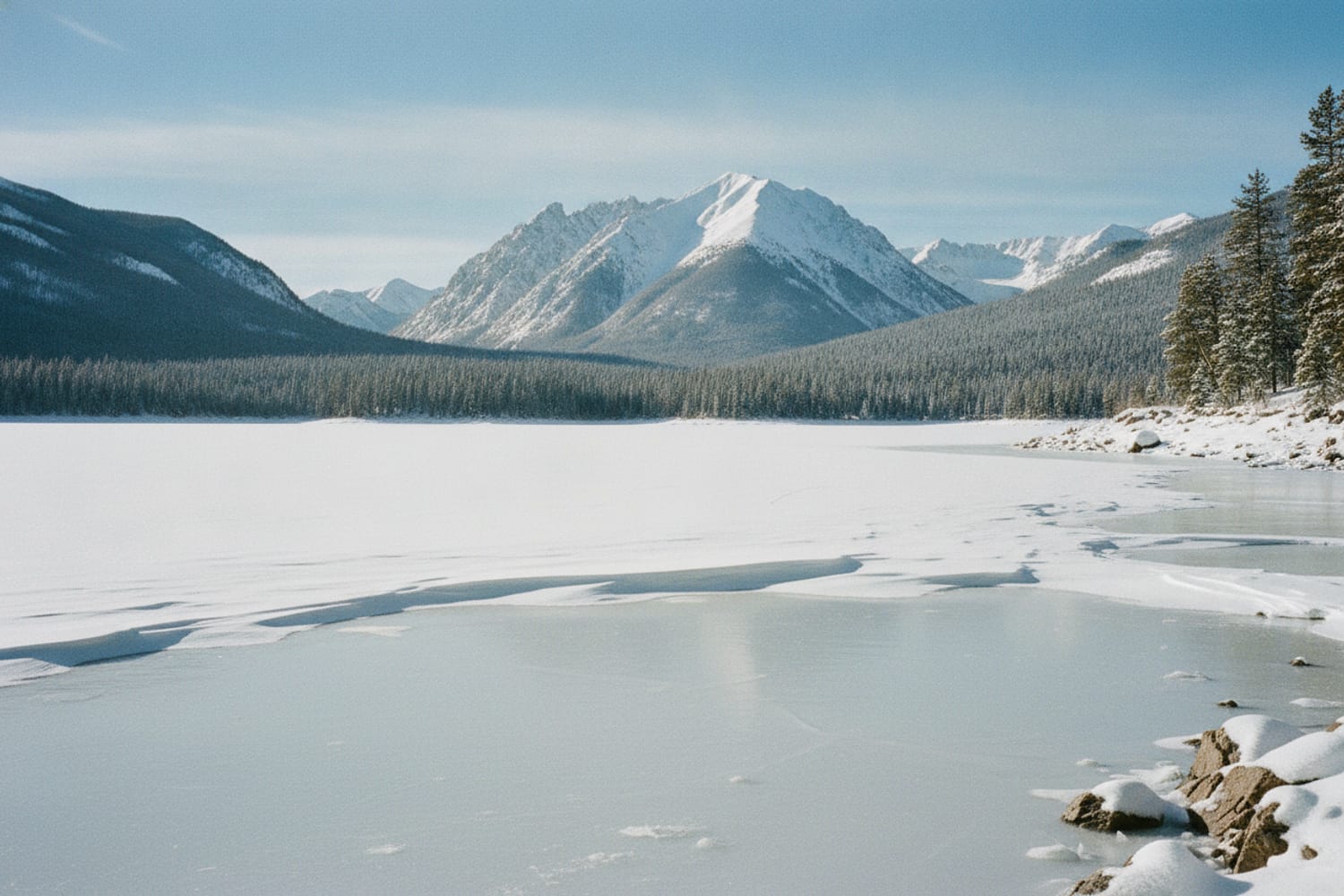
South Park is exposed, open country. The wind on Eleven Mile in January is real and it cuts across the ice without any tree cover to slow it down. A shelter goes from nice-to-have to necessary when the wind picks up.
Hub-style portable shelter: The fastest setup and breakdown. Clam Fishing makes the best one in the category — the Clam QuickSet is fully erectable in under two minutes, weighs about 20 lbs, and blocks wind effectively. Size it for how many people you’re fishing with; a two-person hub is manageable for solo ice fishing.
Flip-over sled shelter: If you’re pulling your gear across the ice on a sled anyway, a flip-over doubles as your shelter. Clam and Otter both make good ones. Slightly less space inside than a hub shelter but the sled integration is practical.
I’ve ice fished Eleven Mile in a windbreak shelter (essentially a folding windscreen with no roof) and in a full enclosed hub. The full enclosure is better for extended time on the ice in temperatures under 15°F. The windbreak is fine for moving around, checking multiple locations, and short sessions.
Rods and Lines
For trout and kokanee at Eleven Mile, I fish light ice rods — 28–32 inches of medium-light action. Frabill makes reliable, affordable ice rods. St. Croix’s ice rod lineup is a step up. For a single rod to cover both rainbow trout and kokanee, a 30-inch medium-light is the right call.
Line for trout: 4–6 lb fluorocarbon. Fluoro is invisible in water and has minimal stretch, which helps detect subtle takes through the ice. 4 lb is the standard for kokanee; bump to 6 lb for bigger rainbows and mixed-bag fishing.
Line for pike: 17–20 lb monofilament or braid with a 6-inch wire leader. Pike will cut through anything else. Don’t skip the wire.
Jigs for kokanee: Small. Size 8–12. Kastmaster spoons in silver or gold, small tube jigs in white or pink, or dedicated kokanee jigs from Custom Jigs & Spins. Tip with corn (kokanee love it) or a small piece of wax worm.
Jigs for rainbows: Slightly larger — 1/32 to 1/8 oz tungsten jigs in chartreuse, pink, white, or orange. A small piece of wax worm or PowerBait on the hook. Tungsten drops faster and holds depth in wind-current better than lead.
My take
If you’re building this kit from zero, my order is simple: flasher first, warm boots second, and the cheapest sled the hardware store sells — the $25 one hauls the same load as the purpose-built one. The electronics are the one spend that changes your catch rate; most of the rest changes your comfort, which matters at 8°F but can be upgraded a season at a time. My whole system is reverse-engineered from that first underprepared trip — standing over a borrowed flasher I couldn’t capitalize on, doing the math on how fast I could get back to the truck. Spend where the failure hurt.
Clothing System for Eleven Mile
This section matters. Eleven Mile at 8,600 feet with a South Park wind is cold in a way that Denver cold isn’t. 15°F in downtown Colorado Springs is manageable. 15°F on an exposed lake at altitude with 20 mph wind is a different experience.
Base layer: Heavy Merino wool. Not synthetic. Merino retains warmth when wet (from exertion sweat), doesn’t smell, and breathes. Minus33 and Icebreaker make the best Merino base layers at reasonable prices. Wear it top and bottom.
Mid layer: Fleece or synthetic puffy jacket. I wear a Patagonia Nano Puff under a heavier fleece on the coldest Eleven Mile days. On a warmer January day (20s), one fleece midlayer is enough.
Outer: A windproof insulated parka rated to -20°F or colder. My Sitka Kelvin Active is what I wear ice fishing — it’s rated for serious cold and moves well. Bibs rather than pants for the bottom half; bibs eliminate the gap between jacket and pants that lets cold air in.
Boots: This is where most people underdress. Pac boots rated to -40°F minimum. Sorel Caribou, Kamik Commander, or similar. Your regular winter boots are not enough for 6 hours on ice. Cold feet end ice fishing sessions early; warm feet let you stay through the good afternoon bite.
Hands: Hand warmers are the difference between staying and leaving. I carry six per session — two in each glove and two spares. Yes, that’s overkill until the day it isn’t, and then you’ll thank me. Heated gloves with rechargeable batteries are even better if you fish ice frequently.

The Sled
Hauling ice fishing gear by hand across a parking lot and 300 yards of ice is miserable. A plastic utility sled from any hardware store solves this completely. A 40-inch sled holds an auger, shelter, two rod cases, a tackle bag, and a five-gallon bucket. Pull it with a rope tied to your belt loop. Total cost: $25.
If you’re serious about ice fishing, a purpose-built ice fishing sled from Otter or Clam integrates with flip-over shelters and has tie-down rails. Those are legitimate upgrades. But the cheap plastic sled from Home Depot works fine and costs almost nothing.
The gear list sounds involved, but it all fits in a reasonable amount of space. Once it’s assembled and organized, your setup loads and unloads in 15 minutes. The right gear pays itself back on every trip — in fish caught, and in afternoons spent fishing the good bite instead of thawing out in the truck wondering where it all went wrong. I’ve done it both ways. Fishing is better. If February is your target month — when the kokanee bite peaks — the February ice fishing guide covers the specific timing and presentation changes that make that window productive.