
In this guide
I picked up a bow before I picked up a fly rod. Not by much — they came into my life within the same year — but the order matters. The hunting habits I built first showed up later in the river, mostly without my noticing, and changed how I fish.
This isn’t a hunting blog. But the overlap between archery hunting — elk, mule deer, whitetail, turkey — and fly fishing is wider than most people who do only one would expect, and the lessons travel in both directions. Here’s what bow hunting taught me that I now use every day on the Deckers stretch of the South Platte.
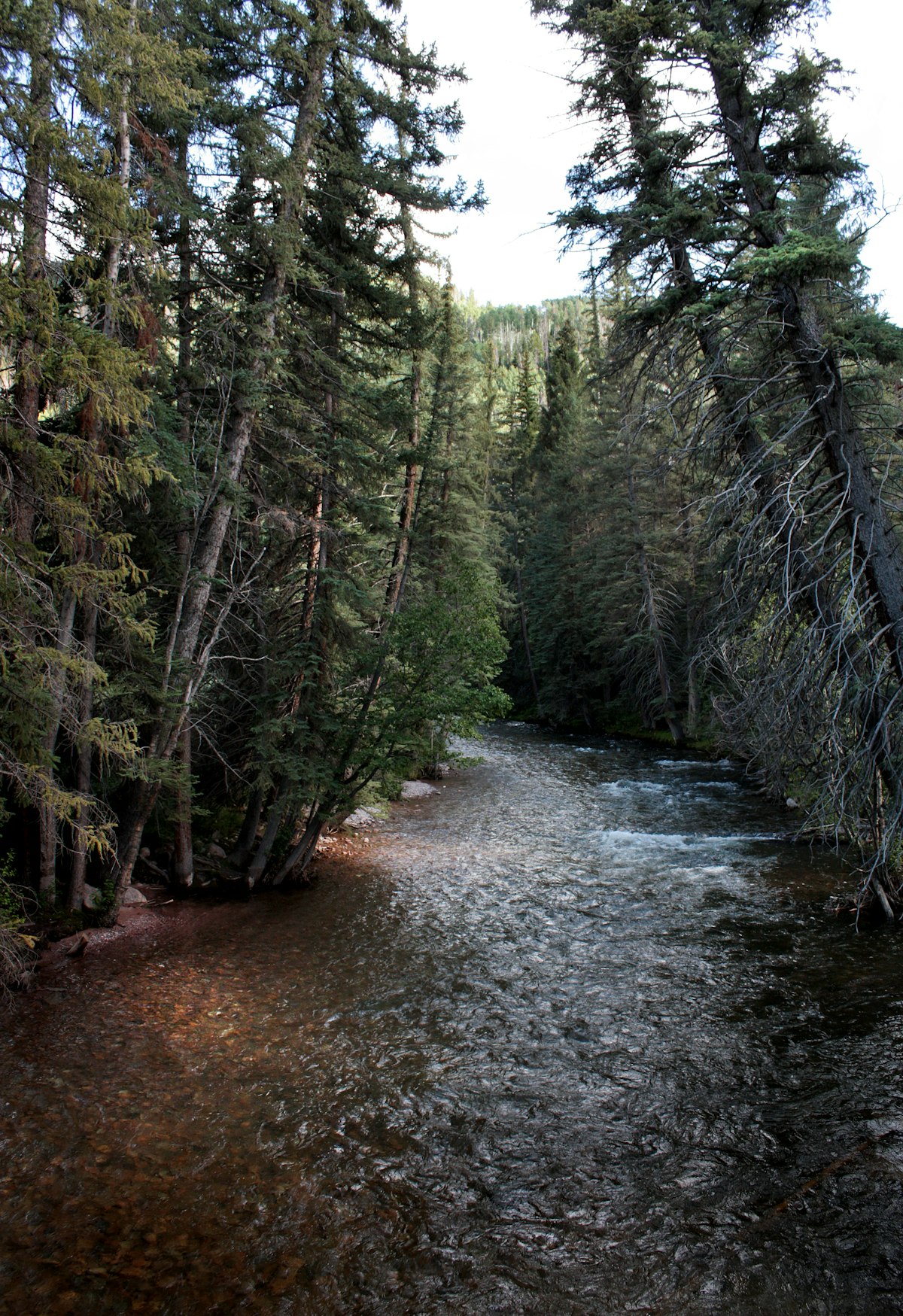
None of these are lessons I set out to learn for fishing. They snuck across the fence. One afternoon I caught myself kneeling on a gravel bar for no reason I could name — and realized I’d been doing it to imaginary elk for years.
Wind Is Real
In bow hunting, the wind is the thing that decides whether you eat or come home empty. Elk live in their noses. A thermal you didn’t account for, a gust at the wrong second, and your stalk is over before you knew it started. You learn to read wind constantly — not by feel alone, but by watching pine needles, grass tips, milkweed seeds, ash from a smoke stick.
That habit ports straight to the river. Fly fishing has its own wind problem — turning over a 40-foot leader into a 12 mph crosswind, mending a dry-fly drift through a thermal seam, keeping a 7X tippet from drifting into the wrong current. Most anglers don’t notice wind until it’s slapping their fly into the back of their head. Hunters notice wind the second they step into the woods.
Now when I walk down to the river, the first thing I do — before tying anything on — is read the wind. Direction. Strength. Whether it’s swirling in this section because of the canyon walls. That five seconds of reading saves me twenty minutes of fighting bad casts later.
Stillness Is a Skill
Bow hunting elk means sitting in one spot for hours. Not pretending to sit still — actually sitting still. No glance to the left, no shift of weight, no scratch of an itch on your nose. The bull you’re hoping to walk in is a thousand yards out, and any movement at any moment could end the day. You learn to be still in a way most people never have to learn.
That patience walks into the river with me. On a Deckers flat with a sipping rainbow, you have one shot at the right drift before he decides you’re not part of the river anymore. Most anglers blow it by being too eager — recast too soon, mend too aggressively, wade too close. A hunter knows how to wait. You watch the feeding rhythm. You count the seconds between rises. You only cast when you’re confident the next drift will land in the window.
The fish I land that other anglers walk past aren’t there because I’m a better caster. They’re there because I’m willing to wait longer than they are.
The One-Shot Mentality
A compound bow has range. A rifle has more range. A fly rod has the least range of all three. When you grow up shooting rifles, you assume you’ll always get another chance — the elk runs 80 yards, stops, looks back, and the second shot is on. With a bow, the first shot is usually the only shot. The elk knows something’s wrong the instant the arrow leaves the string. If you missed or got a bad angle, that elk is gone for the day.
Fly fishing is the same. A sloppy first cast spooks the fish you wanted. The good ones don’t come back to the same feeding lane for another hour. On heavily pressured water like Deckers, the first drift is the only drift that has a chance — every subsequent attempt is fishing a fish that already knows something is off.
Bow hunting drilled that into me. I don’t make warm-up casts to a fish I can see. I take my time, get the cast right in my head, then make the one cast that’s supposed to catch him. If I miss, I move on.
Low-Angle Approach
Elk see movement, not detail. A still hunter in plain sight against a tree line is invisible. A camo-clad hunter walking upright through a meadow is a billboard. You learn to move low. Drop to a knee. Crawl when you have to. Use cover and terrain so the elk’s eye never picks you up against the skyline.
Trout are the same. They have a narrow window straight up through which they see above-water shapes. Anything outside that window — a low-angle approach, a slow stalk along the bank, casting from a kneeling position — barely registers. Anything inside it — a tall angler walking upright across the gravel — sets off the alarm.
I kneel a lot more than most fly fishers I see. I pause on banks before stepping in. I drop to a crouch before casting at a visible fish. None of that is from a fly-fishing book. It’s from bow hunting.
Glassing — Look Before You Move
Bow hunters spend a frankly ridiculous amount of time just looking. You sit on a glassing knob at first light and take a hillside apart with binoculars — square foot by square foot — before you move a single step toward an animal. The mistake every new hunter makes is moving first and looking second, and the punishment is bumping the elk you never saw because you were in a hurry to get somewhere.
I do the same thing on the river now, minus the binoculars. Before I wade in, I stand back and read the water — the soft sip in the foam line, the flash of a turning fish, the nervous water over a feeding lane. Most anglers march straight to the bank and start casting at where fish should be. The hunter in me would rather spend two quiet minutes finding where fish actually are. Two minutes of looking beats an hour of blind casting — and it has kept me from wading straight through the exact fish I drove an hour to catch more times than I’d like to admit.
Reading Terrain
In hunting, you learn to read terrain for what it tells you about where animals will be. The bench above the meadow, the saddle between two ridges, the dark timber that holds bulls in midday heat. You don’t just walk through the woods — you walk through it asking what each piece of geography is doing for the animals.
That maps directly onto reading water. The drop-off below the riffle, the shadow line at noon, the soft seam behind the boulder — each piece of underwater terrain is telling you where the fish will be. Hunters who pick up fly fishing read water naturally because they’re already used to thinking that way about land. Fly fishers who pick up bow hunting struggle a little more, because forested terrain reads different than water — same instinct, different skill.
The Discipline of Knowing When Not to Shoot
This one took me the longest. In bow hunting, just because you have a shot doesn’t mean you take it. A questionable angle, marginal light, an elk that’s a few steps too far — you let it walk. The temptation to take the shot is enormous. The hunters who consistently bring elk home are the ones who pass the marginal shots and wait for the high-percentage one.
The fly-fishing version: just because you have a cast doesn’t mean you take it. If the wind shifted, if the fish moved out of his feeding lane, if you’re not sure your fly is the right one — let the fish be. Switch flies, reposition, wait. The angler who casts at every fish he sees catches fewer than the angler who waits for the right setup. I’ve gotten better at letting a refusal walk than I used to be, and I have more fish in the net for it.
A few honest questions
Do you really have to hunt to get better at fly fishing? No — but it’s the fastest crash course I’ve found in the skills that actually matter. Wind-reading, stillness, the low-angle approach, and the patience to pass a bad shot all transfer straight to the water. You can learn them fishing; hunting just teaches them harder and faster, with worse weather and higher stakes.
What’s the single biggest crossover skill? The willingness to wait. Both pursuits punish the eager and reward the person who can sit longer than everyone else. More of my netted fish come from patience than from anything I do with the rod.
The Connection
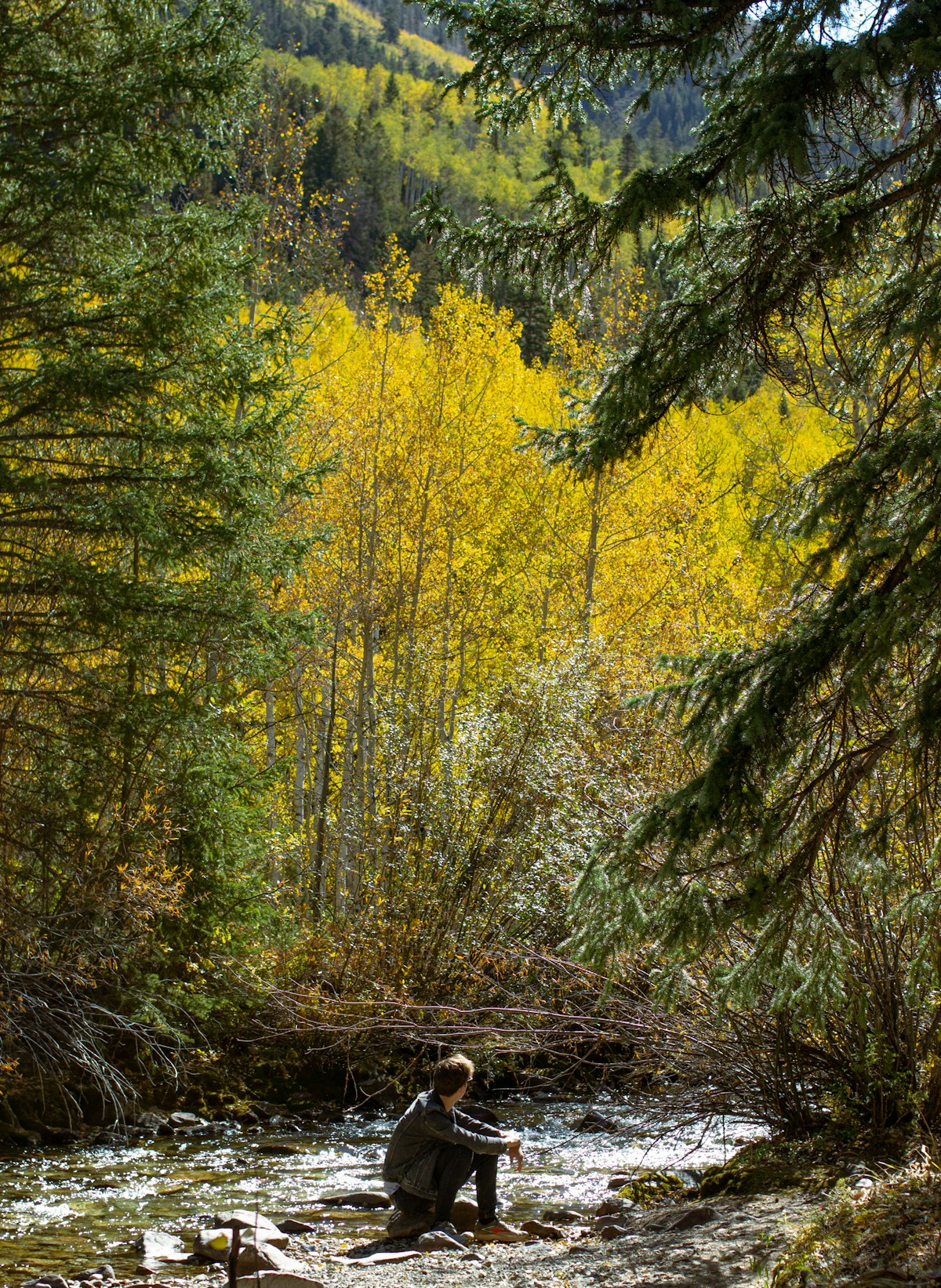
I’ll never write a hunting blog because it’s not my full-time thing the way fly fishing is. But the truth is the two pursuits share a core: both are about being a quiet observer in a wild place, doing the slow work of figuring out where the animal is and how to approach it without being noticed. Both punish impatience. Both reward the angler/hunter who is willing to sit longer than the next person.
If you’ve never bow hunted and you fly fish 30+ days a year, consider it. Even one season of trying to stalk an elk within 40 yards will change how you wade up to a feeding trout. You don’t have to be good at it. You don’t have to harvest an animal. You just have to spend the days learning how to move through a wild place without being a tourist in it.
Fishing is a slower version of that same lesson. Both are the same school — bow hunting just teaches it with sharper consequences and worse weather.